
Is Solo Travel in Latin America Actually Safe? Here’s What You Need to Know
Solo travel safety tips Latin America are something every independent explorer should know before booking that flight. The good news? Latin America is far safer than most headlines suggest — and millions of solo travelers, including women, explore the region every year without incident.
Here are the most important solo travel safety tips for Latin America at a glance:
- Research before you go — check government advisories and recent traveler forums for your specific destinations
- Use ride-sharing apps (Uber, DiDi, Cabify) instead of hailing street taxis
- Keep valuables hidden — no flashy jewelry, keep your phone out of sight in crowded areas
- Stay connected — a local SIM or eSIM gives you access to maps, emergency contacts, and ride apps
- Share your itinerary with someone at home and check in regularly
- Book well-reviewed accommodation in central, traveler-friendly neighborhoods
- Limit alcohol — staying alert is your best defense
- Trust your instincts — if something feels off, leave the situation
- Learn basic Spanish phrases — they can help in safety situations and everyday interactions
- Get travel insurance that covers medical emergencies and theft
The safest countries in Latin America for solo travelers in 2026 are generally considered to be Uruguay, Chile, and Costa Rica — all offering strong tourism infrastructure and relatively low crime rates. That said, popular destinations like Colombia, Peru, and Mexico also welcome huge numbers of solo travelers every year with the right precautions in place.
The biggest risks? Petty theft and scams — not violent crime. That distinction matters a lot when you’re deciding whether to go.
For a deeper pre-trip strategy, see our guide on travel safety tips when going solo: a planning strategy and where to wander safely when you are flying solo.
Introduction and Pre-Trip Planning for Solo Travel Safety Tips Latin America
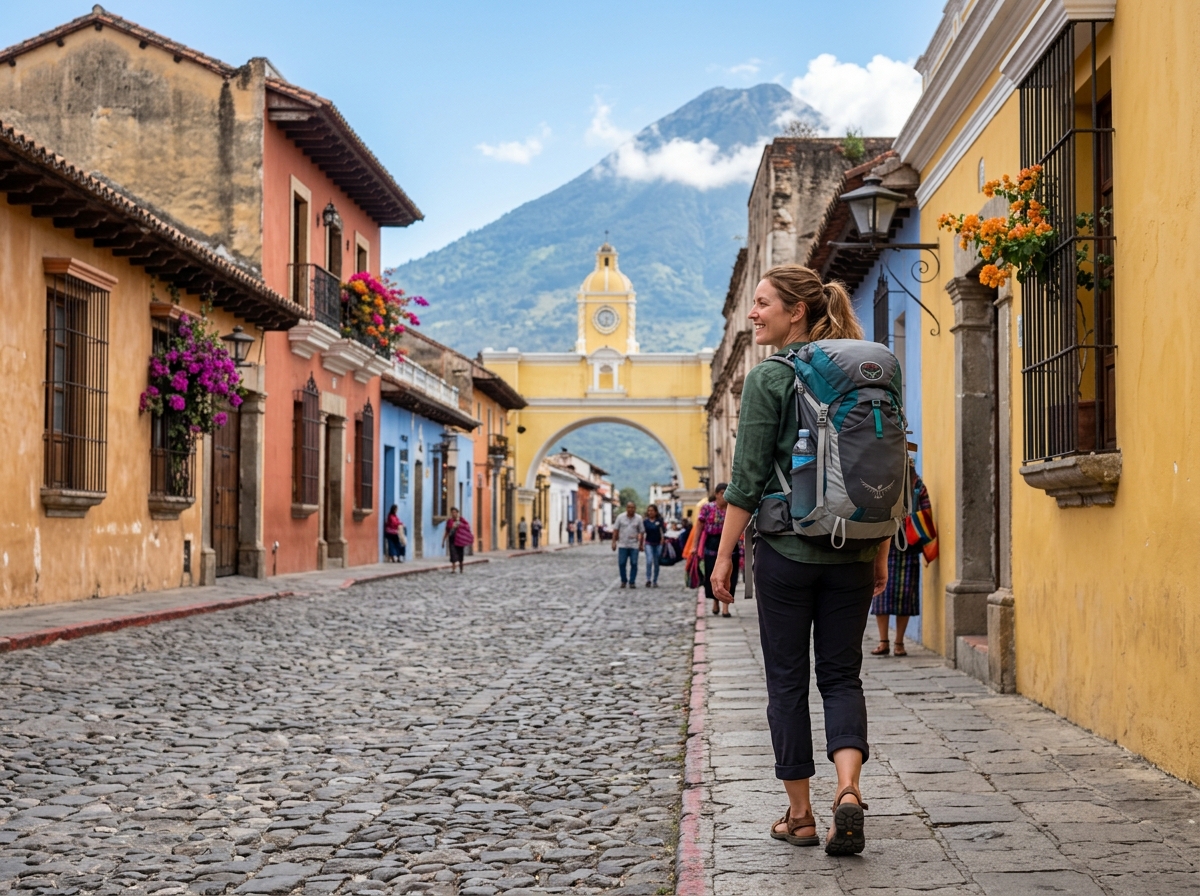
When we think of Latin America, we often envision the vibrant colors of Antigua’s cobblestone streets or the mist-covered peaks of the Andes. However, media sensationalism can sometimes cloud these beautiful images with fear. We believe that empowerment comes from preparation. The “pernicious mythology” surrounding the lone traveler often stems from people who haven’t actually visited the region. In reality, you are often more likely to encounter issues in major North American or European cities than in many parts of South and Central America.
The first step in your solo travel safety tips Latin America strategy is choosing the right destination. For first-timers or those feeling a bit nervous, we recommend starting in “starter destinations” like Uruguay, Chile, or Costa Rica. Uruguay, for instance, is consistently ranked as one of the safest countries in South America due to its political stability and low violent crime rates. Chile offers world-class infrastructure, making logistics a breeze, while Costa Rica’s “Pura Vida” vibe is backed by a well-established tourism network.
Before you fly, dive into deep research. We suggest checking government advisories (like the US State Department or UK FCDO) but take them with a grain of salt—they often err on the side of extreme caution. To get the real “ground truth,” join local Facebook groups (e.g., “Expats in Mexico City” or “Solo Female Travelers Latin America”) and check Reddit threads. These platforms offer up-to-the-minute advice on which neighborhoods are currently thriving and which ones might be better to avoid.
For more on preparing your mindset, check out our insights on travel safety tips when going solo a planning strategy and where to wander safely when you are flying solo.
Choosing Safe Accommodations and Neighborhoods
Where you lay your head at night is crucial for your peace of mind. When we look for safe accommodations for solo travelers, we prioritize reviews from other solo travelers—especially women. Look for keywords like “safe neighborhood,” “24-hour security,” and “helpful staff.”
In major cities, neighborhood selection is everything. For example, in Mexico City, neighborhoods like Roma and Condesa are fantastic for solo explorers, while in Medellin, El Poblado and Laureles offer a safe, walkable environment. Conversely, we advise avoiding certain areas after dark, such as the border regions of Colombia or specific parts of capital cities like Guatemala City or San Salvador.
If you are staying in hostels, we highly recommend booking female-only dorms. They provide an extra layer of comfort and are a great way to meet like-minded women to explore with. Always ensure your accommodation has lockers and bring your own high-quality padlock. For more tips on finding the perfect base, read our guide on where to wander solo without the worry.
Protecting Valuables and Managing Money
One of the most practical solo travel safety tips Latin America experts will tell you is: “Don’t give it away.” This doesn’t mean you shouldn’t be generous, but rather that you shouldn’t flaunt your wealth. Leave the expensive jewelry and designer watches at home.
We recommend a “split-and-hide” system for your money and documents:
- The Main Stash: Keep your passport, primary credit card, and the bulk of your cash in a secure locker at your accommodation.
- The Daily Carry: Carry only enough cash for the day and one travel-friendly credit card in a secure crossbody bag or a hidden pouch.
- The Backup: Keep a backup debit card and some emergency USD hidden in a separate spot (like a secret compartment in your luggage).
Digital security is just as important. Take photos of your passport, visa entry stamps, and insurance details. Store these in a password-protected cloud folder and email a copy to a trusted family member. This is part of our emergency contact tips for solo travelers.
When it comes to ATMs, always use machines located inside a bank or a secure mall during daylight hours. Give the card reader a firm tug before inserting your card to check for skimmers, and always shield your PIN with your other hand. In countries like Argentina, be aware of the “Blue Dollar” exchange rate—bringing crisp, high-denomination USD bills can often get you a significantly better rate than using an ATM. For more on this, see traveling safely in unknown countries and our list of solo travel safety gadgets.
Essential Solo Travel Safety Tips Latin America for Digital Security
In 2026, your smartphone is your most powerful safety tool. We recommend getting an eSIM before you even land. For as little as $3.50 to $4.50, you can have immediate data for navigation and ride-sharing apps. Having a live connection means you are never truly lost.
Download offline maps on Google Maps or Maps.me for areas where the signal might be spotty. We also suggest using location-sharing features (like WhatsApp’s “Live Location” or Find My) with a friend or family member back home. This provides an invisible safety net while you wander. Check out more personal safety tools for travelers and personal safety tools for travelers 2 for high-tech ways to stay secure, including solo travel safety gadgets 2.
Navigating Transportation and Urban Environments Safely
Getting from point A to point B is where many travelers feel most vulnerable. Our golden rule? Use ride-sharing apps. Apps like Uber, Cabify, and DiDi are generally much safer than hailing a random taxi on the street because the driver is registered, the route is GPS-tracked, and you can share your ride details in real-time.
For long-distance travel, Latin America has an incredible network of buses. In countries like Peru, Chile, and Argentina, “Cama” or “Semi-Cama” buses are often more comfortable than airplanes! However, safety standards vary. We recommend paying a little extra for reputable companies (like Cruz del Sur in Peru) rather than choosing the cheapest option.
Avoid arriving in a new city late at night. If your bus or flight arrives after dark, pre-book a transfer or use an official airport taxi counter. Never accept rides from “freelance” drivers in the arrivals hall. For more detailed advice, read about staying safe while traveling alone and avoiding risky areas while traveling solo.
Situational Awareness and Solo Travel Safety Tips Latin America
Situational awareness is the art of being “checked in” to your surroundings. We often get distracted by our phones or the stunning architecture, but staying alert is your best defense.
- Walk with Purpose: Even if you’re lost, walk like you know exactly where you’re going. If you need to check a map, step inside a shop or a cafe.
- Trust Your Gut: If a street feels too quiet, or a person’s questions feel too intrusive, leave. Your intuition is a biological survival mechanism—use it.
- The “Bird Poop” Scam: Be wary of strangers who approach you to point out a mess on your clothes (often mustard or fake bird droppings). This is a common distraction tactic for pickpockets.
By blending in and following staying safe while sightseeing alone, you make yourself a much harder target. For more on this, explore staying safe while sightseeing alone 2 and staying safe while sightseeing alone 3.
Cultural Nuances and Solo Female Traveler Considerations
For solo female travelers, understanding the cultural landscape is key. Latin America is a diverse region, but the concept of machismo still exists in many areas. You may encounter catcalling or persistent attention. Our best advice? Ignore it. Engaging often encourages further interaction.
Learning basic Spanish (or Portuguese for Brazil) is one of the most effective solo travel safety tips Latin America. Knowing how to say “I’m meeting a friend” (Voy a encontrarme con un amigo) or “No, thank you” (No, gracias) with confidence can deter unwanted advances. It also helps you understand the “vibe” of a room and catch warnings from locals.
Dress codes also matter. In conservative highland areas of Peru or Guatemala, dressing more modestly (covering shoulders and knees) helps you blend in and shows respect for local customs. In beach towns, the vibe is much more relaxed, but we still suggest a cover-up when walking away from the sand.
| Destination | Safety Rating (2026) | Primary Risk | Best For |
|---|---|---|---|
| Uruguay | Very High | Petty theft | First-time solo travelers |
| Chile | High | Scams in big cities | Nature and hiking lovers |
| Costa Rica | High | Rip currents/Natural | Adventure seekers |
| Argentina | Moderate-High | Inflation/Pickpockets | Culture and wine fans |
| Peru | Moderate | Tour scams | History buffs |
For a comprehensive look at these topics, see our solo female travel safety guide and solo female travel safety guide 2.
Frequently Asked Questions about Solo Travel in Latin America
Is solo travel in Latin America safe for women?
Yes, absolutely. Millions of women travel solo through Latin America every year. While you may face some street harassment, violent crime against tourists is rare. The key is risk mitigation: stay in social hostels, use ride-sharing apps at night, and connect with the solo female travel community online for real-time support. You can also carry personal safety tools for travelers 3 like a personal safety alarm for extra peace of mind.
Do I need to speak Spanish to stay safe?
You don’t need to be fluent, but knowing 50-100 basic phrases significantly improves your safety. It allows you to ask for help, negotiate prices, and show respect to locals, which often leads to them looking out for you. Translation apps like Google Translate (with the offline pack downloaded) are a life-saver for more complex situations.
Why is travel insurance crucial for solo travelers?
Travel insurance is not just for “if” something goes wrong, but for “when” plans change. From covering a stolen phone in Quito to emergency medical evacuation if you get altitude sickness in the Andes, it is your ultimate safety net. We never travel without it. For more on navigating these challenges, see traveling safely in unknown countries 3.
Conclusion
Solo travel in Latin America is an act of empowerment. It is a journey that will challenge your perceptions, broaden your horizons, and introduce you to some of the warmest people on Earth. By using these solo travel safety tips Latin America, you can navigate the region with confidence and “street smarts.”
At PrimeFinHub, we are dedicated to helping you discover immersive cultural spots tailored for independent exploration. Whether you’re sipping coffee in the Colombian highlands or watching the sunset over the Uyuni salt flats, we want you to feel secure and inspired.
Ready to start your journey? Dive deeper into our resources on solo travel in south america and let the adventure begin!
