
Why Cultural Immersion Peru Solo is the Ultimate Soul-Stirring Journey
Choosing cultural immersion Peru solo isn’t just about checking a famous citadel off your bucket list; it is about stepping into a living history that spans millennia. For many, Solo Travel in South America begins here because Peru offers a unique “social presence.” Even when traveling alone, you are rarely isolated. From the hotel staff who offer you coca tea the moment you arrive to the local guides who share ancestral stories, there is a quiet, practical support system that looks out for solo explorers.
Peru is a powerhouse for Where to Go When You’re Flying Solo and Craving Culture because it allows you to move beyond the “must-see” highlights. While the Inca history is the primary draw, it is the modern Quechua culture that provides the soul. Approximately 20% of the population speaks Quechua, and in the highlands, the concept of Ayni (reciprocity) still dictates daily life.
Why Peru suits independent explorers:
- Flexible Infrastructure: From high-end trains to the “hop-on, hop-off” bus networks, moving between regions is straightforward.
- Community-Based Tourism: Many villages have established homestay programs specifically designed to welcome individuals into their daily routines.
- Shared Gastronomy: Peruvian food is a national treasure. Sitting at a communal table in a picantería (traditional lunch house) is the fastest way to make local friends.
- Safety in Numbers: While you travel solo, the popular routes are filled with like-minded “solo-ish” travelers, making it easy to find a trekking partner for a day.
Navigating High-Altitude Traditions Safely
The biggest hurdle for cultural immersion Peru solo isn’t the language barrier—it’s the air. Cusco sits at a dizzying 11,100 feet. When we talk about Staying Safe While Traveling Alone in the Andes, we aren’t just talking about street safety; we’re talking about your health. Altitude sickness (soroche) can affect anyone, regardless of fitness level; for more clinical details, travelers can consult the CDC guidelines on High Altitude Travel.
To navigate these regions safely, we recommend a “slow-climb” strategy. Instead of flying directly from Lima to Cusco and hitting the trails, consider spending your first few nights in the Sacred Valley (around 9,000 feet). This lower elevation allows your body to produce the necessary red blood cells more comfortably.
Pro-Tips for Altitude Acclimation:
- Hydrate Constantly: Aim for 3 liters of water a day. The dry mountain air dehydrates you faster than you realize.
- Embrace the Coca Leaf: It isn’t just a tourist gimmick. Chewing coca leaves or drinking mate de coca helps increase oxygen absorption.
- Sun Protection is Non-Negotiable: At 11,000 feet, the UV rays are incredibly strong. Wear a wide-brimmed hat and high-SPF sunscreen, even on cloudy days.
- Listen to Your Body: Fatigue affects your judgment and patience. If you feel a throbbing headache or nausea, stop and rest. Most hotels in Cusco have oxygen tanks available for guests—don’t be afraid to ask for a “hit” if you’re struggling.
Deep Cultural Immersion Peru Solo in the Amazon Rainforest
While the Andes get the glory, Peru is actually more jungle than mountain. For solo travelers, the Amazon offers a profound spiritual connection to nature. Traveling Safely in Unknown Countries often means sticking to vetted lodges, and in the Peruvian Amazon (accessible via Iquitos or Puerto Maldonado), these lodges serve as your cultural gateway.
Deep in the rainforest, you can meet the Yagua villagers. Many communities still practice traditional hunting with blowguns and maintain a deep knowledge of medicinal plants. A guided walk through the primary forest isn’t just about spotting macaws; it’s about learning how the jungle provides a pharmacy, a hardware store, and a grocery shop for those who live there.
Spiritual seekers often participate in shamanic rituals or cleansing ceremonies. These are deeply personal experiences that many solo travelers find transformative, providing a sense of clarity and connection to the “pachamama” (Mother Earth) that is hard to find in a city.
Top Immersive Experiences: From Sacred Valley Weaving to Pachamama Ceremonies
The heart of cultural immersion Peru solo lies in the Sacred Valley. Here, the traditions of the Inca Empire haven’t just been preserved; they are being lived.
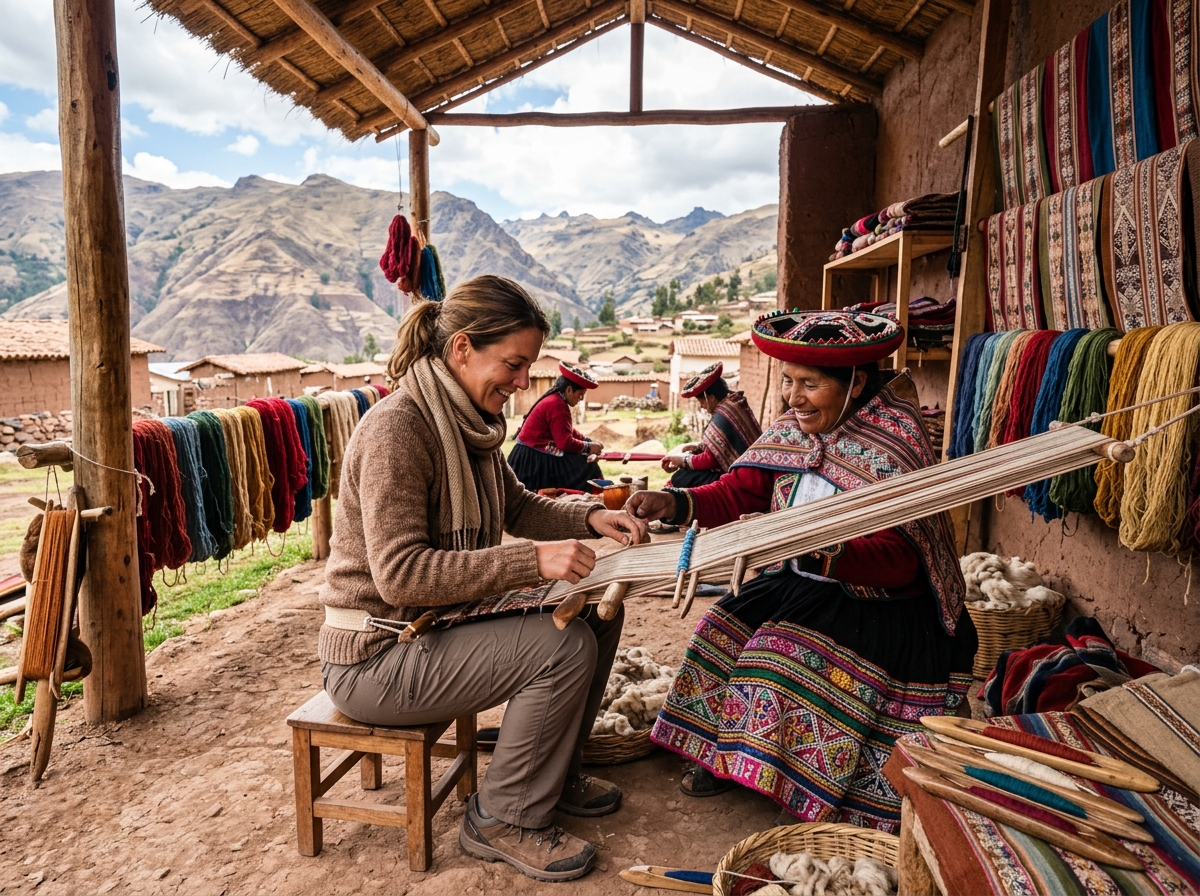
One of the most authentic spots is Willoq, a village nestled at over 12,800 feet. It is known as one of the last bastions of Incan heritage. The residents still wear traditional red-and-black clothing, and the textile traditions here are among the oldest in the world. As a solo traveler, you can join a weaving demonstration where local women show you the entire process—from shearing alpaca wool to using natural dyes made from insects (cochineal) and plants.
Must-Try Cultural Activities:
- Pachamama Ceremonies: These rituals involve making an “offering” to Mother Earth, usually consisting of coca leaves, seeds, and sweets, led by an Andean priest (Paqo).
- Ceramic Workshops: In villages like Cuyo Chico, you can try your hand at traditional adobe pottery.
- Salt Harvesting: Visit the Maras salt mines, where thousands of individual salt pans have been harvested by local families since before the time of the Incas.
These activities are perfect Cultural Travel Destinations for Solo Travelers because they provide a structured way to interact with locals without the awkwardness of “intruding” on their daily lives. You are there as a student and a guest, which fosters a natural, respectful exchange.
Essential Packing for Cultural Immersion Peru Solo Activities
Preparing for these activities requires more than just a camera. If you are planning to visit remote communities, it is a cherished tradition to bring a small gift. In the Sacred Valley, travelers often bring Chuta bread—a large, traditional anise-flavored loaf—to share with their host families.
Solo Traveler’s Packing Checklist:
- Layers, Layers, Layers: The temperature can swing from 70°F (21°C) in the sun to freezing the moment the sun drops behind a peak.
- Sturdy Hiking Boots: Even if you aren’t doing the Inca Trail, the cobblestone streets and mountain paths require good ankle support.
- Small Denominations of Soles: Many artisans in markets don’t have change for large bills.
- Festival Attire: If you are attending Inti Raymi (the Festival of the Sun) in June, bring something warm but respectful. It is a massive, colorful event, and you will be outside all day.
- Travel Insurance: This is non-negotiable for solo trips. Ensure your policy covers high-altitude trekking and medical evacuation. For more details, see our Understanding Travel Insurance: A Guide for Solo Travelers.
Before you head out, check out Mastering Solo Travel: A Beginner’s Guide to sharpen your navigation and social skills for the road.
Planning Your 10-Day Solo Itinerary: Lima, Cusco, and Machu Picchu
Planning a cultural immersion Peru solo trip requires balancing famous landmarks with quiet, local moments. We recommend a 10-day route to allow for proper acclimation and “slow travel.”
| Day | Location | Cultural Highlight |
|---|---|---|
| 1-2 | Lima | Explore the Barranco district; Ceviche cooking class |
| 3 | Sacred Valley | Visit Chinchero market; Weaving demonstration |
| 4 | Sacred Valley | Moray agricultural terraces & Maras salt mines |
| 5 | Ollantaytambo | Explore the “living Inca town”; Train to Aguas Calientes |
| 6 | Machu Picchu | Guided tour of the Citadel (Circuit 2 is best for views) |
| 7 | Cusco | San Pedro Market; Qoricancha (Temple of the Sun) |
| 8 | Cusco | Sacsayhuaman ruins; San Blas artisan neighborhood |
| 9 | Cusco/Highlands | Optional: Rainbow Mountain or Pachamama ceremony |
| 10 | Departure | Final souvenir shopping in Cusco; Flight to Lima |
This schedule follows the Your Essential Guide to Planning Solo Trips philosophy: start with the “comfort” of the city (Lima), move to the “immersion” of the valley, and end with the “climax” of Machu Picchu and Cusco.
In Lima, don’t miss the Barranco district. Known as the bohemian heart of the city, it’s filled with street art, coffee shops, and the famous “Bridge of Sighs.” Legend says if you hold your breath while crossing it, your wish will come true.
When you reach Machu Picchu, regulations have changed. You must book your tickets months in advance (at least 90 days is recommended) and choose a specific circuit. For solo travelers, having a guide is highly recommended—not just for the history, but to help navigate the crowds and get those perfect photos.
Sustainable Travel and Solo Female Safety in the Andes
Safety is often the primary concern for women considering cultural immersion Peru solo. The good news is that Peru is generally very welcoming to solo women. Local hosts, from hotel owners to market vendors, often take a maternal or paternal interest in solo female travelers, offering extra advice or checking on their arrival times.
However, we always recommend following our Solo Female Travel Safety Guide. This includes using registered taxi apps (like Cabify or Uber) rather than hailing cars on the street at night, and keeping your phone tucked away while walking in crowded markets like San Pedro.
Responsible Tourism Practices:
- Support Local Artisans: Buy directly from the weavers in Chinchero or Taquile Island rather than mass-produced souvenir shops in Lima.
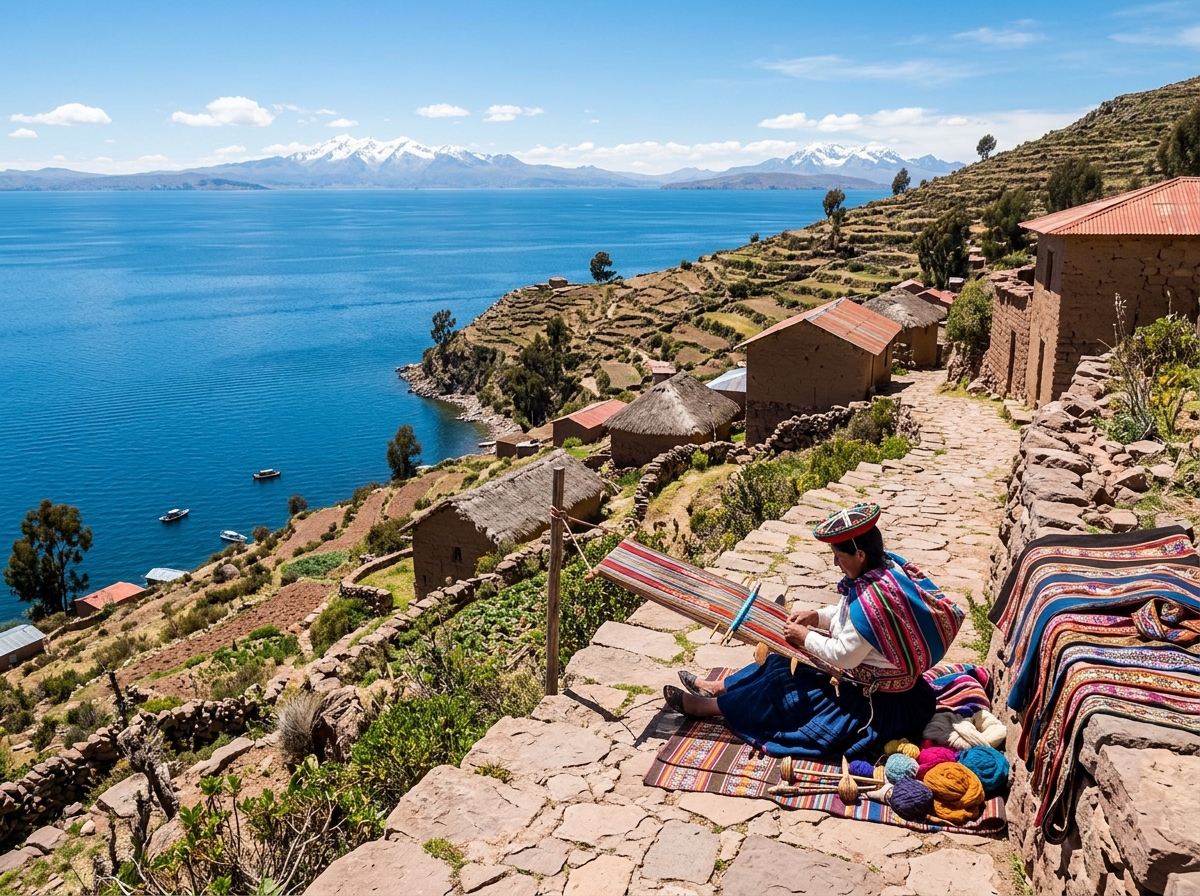
- Respect Intangible Heritage: The textiles of Taquile Island on Lake Titicaca are recognized by UNESCO as a Masterpiece of Oral and Intangible Heritage. When you visit, the men do the knitting and the women do the weaving—a unique social structure that has survived for centuries.
- Eco-Friendly Choices: Carry a reusable water bottle. Many hotels now offer large purified water dispensers to reduce plastic waste.
Maximizing Independence through Cultural Immersion Peru Solo Homestays
If you want to truly understand the country, leave the hotels behind for a few nights. Homestays with local families are the gold standard for cultural immersion Peru solo. Whether you are on the floating Uros Islands or in a mountain village like Coporaque, staying in a family home allows you to witness the “real” Peru.
You’ll share home-cooked meals—think quinoa soup, fresh trout, and various types of native potatoes (Peru has over 3,000 varieties!). It’s also a fantastic opportunity for language exchange. Even if you only know a few words of Spanish or Quechua, the effort is always appreciated.
Homestays are also an excellent way to manage your Budgeting for Solo Travel: A Comprehensive Guide. They are typically much more affordable than hotels and often include all your meals and activities, making your “smart cost structure” much easier to manage.
Frequently Asked Questions about Solo Travel in Peru
How do I avoid altitude sickness in Cusco?
The best way is to acclimate slowly by staying in the Sacred Valley first. Drink plenty of water, avoid alcohol for the first 48 hours, and try the local coca tea. If symptoms persist, many pharmacies sell “Sorojchi Pills” over the counter, but consult a doctor if you feel severely ill.
Is Peru safe for solo female travelers?
Yes, Peru is a popular and safe destination for solo women. The main tourist hubs (Cusco, Lima, Arequipa) have high police presence. Common sense applies: don’t walk alone in unlit areas at night, use reputable transport, and keep an eye on your belongings in crowded markets.
What is the best time for cultural festivals like Inti Raymi?
The “Festival of the Sun” (Inti Raymi) takes place on June 24th in Cusco. This is during the dry season (May to October), which is the best time for weather but also the busiest. If you want to avoid the largest crowds while still enjoying good weather, consider the “shoulder months” of April, May, or September.
Conclusion
At PrimeFinHub, we believe that travel should be more than just a change of scenery—it should be a change of perspective. Cultural immersion Peru solo offers exactly that. By stepping away from the tour bus and into a Quechua kitchen or an Amazonian village, you discover a version of Peru that most tourists never see.
Whether you are witnessing the sunrise over Machu Picchu, learning the intricate patterns of a Taquile textile, or sharing a loaf of Chuta bread with a new friend in the Sacred Valley, the memories you make here will be deeply personal and entirely your own. Peru is a place that rewards the curious, the brave, and the independent.
Ready to start your journey? Check out our guide on Solo Travel in South America to see how Peru fits into your broader continental adventure. The mountains are waiting.
