
What Is an Authentic Japanese Tea Ceremony — and Why Should You Experience One?
Authentic Japanese tea ceremony — known in Japanese as Chanoyu or Sado (meaning “the Way of Tea”) — is a ritual of preparing and serving powdered green tea (matcha) rooted in Zen philosophy, mindfulness, and deep respect between host and guest.
Here’s the quick version of what it involves:
- What it is: A choreographed ritual of making and drinking matcha, paired with traditional Japanese sweets (wagashi)
- Core principles: Harmony (Wa), Respect (Kei), Purity (Sei), and Tranquility (Jaku)
- How long it takes: Informal sessions last 30 minutes to 1 hour; formal ceremonies can run up to 4 hours
- Where it started: Zen Buddhist traditions dating back to 815 CE, refined into an art form in the 16th century
- What makes it “authentic”: It follows a precise sequence of ritual steps, seasonal awareness, and a genuine spirit of hospitality toward guests
Most people assume the tea ceremony is just about drinking tea. It isn’t.
It’s one of the most deliberate, mindful experiences you can have in Japan — every movement, every utensil, every flower in the room is chosen with intention.
There’s an old Japanese concept tied to the ceremony: ichi-go ichi-e, which roughly translates to “one time, one meeting.” The idea is that every gathering is completely unique and can never be repeated. That single idea changes how you show up as a guest.
For solo travelers craving a real cultural connection — not just a photo opportunity — this is the kind of experience that stays with you long after you leave Japan.
The Essence of an Authentic Japanese Tea Ceremony
When we talk about an authentic Japanese tea ceremony, we are talking about Omotenashi. This is the Japanese art of selfless hospitality. Unlike Western service, where a server might wait for a request, a tea host anticipates the guest’s needs before they are even felt.
The ceremony is a multi-sensory experience. It isn’t just the taste of the bitter, frothy matcha; it’s the sound of water boiling in a cast-iron kettle (kama), the smell of incense, the sight of a single seasonal flower in the alcove, and the tactile feel of a handmade ceramic bowl.
The goal of The Japanese Tea Ceremony is to create a space where the outside world ceases to exist. For a brief moment, the politics, the stress of travel, and the noise of modern life are replaced by the simple act of preparing tea.
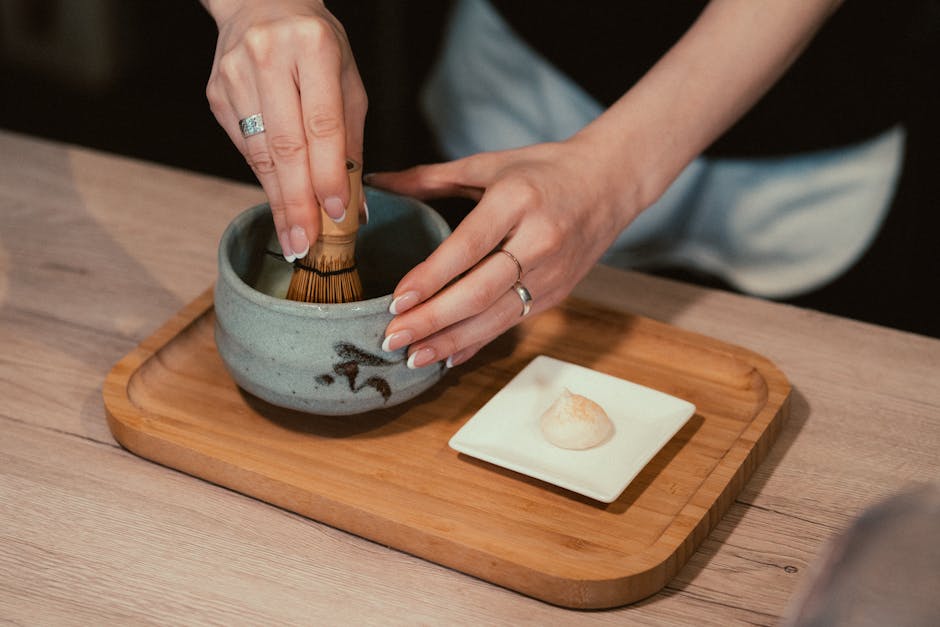
Formal vs. Informal: Finding an Authentic Japanese Tea Ceremony Experience
If you are looking to book an experience, you’ll likely encounter two terms: Chakai and Chaji. Knowing the difference will save you from being “steeped in confusion” when looking at a booking page.
- Chakai (Informal Gathering): This is what most travelers experience. It usually lasts between 30 minutes and an hour. You’ll be served a Japanese sweet (wagashi) and a bowl of thin tea (usucha). It’s a wonderful “entry-level” experience that provides a beautiful cultural snapshot without requiring you to sit in seiza (kneeling) for hours.
- Chaji (Formal Ceremony): This is the full-course marathon of tea. A formal chaji can last up to four hours. It includes a multi-course kaiseki meal, followed by thick tea (koicha) and then thin tea. It is a deeply spiritual and physically demanding ritual, usually limited to a host and a maximum of five guests.
For those of us traveling alone, an informal chakai is often the perfect way to engage with the culture without feeling overwhelmed. If you’re looking for more inspiration on where to find these moments of calm, check out our guide on Where to Go When You’re Flying Solo and Craving Culture.
Seasonal Aesthetics in an Authentic Japanese Tea Ceremony
One of the most beautiful aspects of the “Way of Tea” is its obsession with the seasons. A tea room in November looks and feels completely different from a tea room in May. Tea practitioners actually divide the year into two main seasons:
- The Sunken Hearth Season (Ro): From November to April, a hearth is built into the floor to keep the room warm. The utensils used are often heavier and more “closed” to retain heat.
- The Brazier Season (Furo): From May to October, a portable brazier is used to keep the heat away from the guests. The tea bowls (chawan) are often shallower and wider to help the tea cool faster.
Everything — from the scroll hanging on the wall to the shape of the sweet you eat — reflects the exact moment in nature. This deep connection to the “now” is what makes every authentic Japanese tea ceremony a unique event.
The Spiritual Roots: Zen, History, and Sen no Rikyu
The history of tea in Japan is a wild ride involving monks, emperors, and even samurai warlords who used tea ceremonies to negotiate peace (or plan wars).
It all started in the year 815, when a Buddhist monk named Eichu served tea to Emperor Saga. However, tea didn’t really “stick” as a cultural pillar until the 12th century, when the monk Eisai brought tea seeds back from China. He didn’t just bring the plant; he brought the Zen Buddhist philosophy that tea was a medicinal aid for meditation.
By the 13th century, tea was a status symbol. Samurai would hold extravagant “tea tournaments” where they would try to guess the source of various tea leaves. It was flashy, expensive, and a bit gaudy.
Then came Sen no Rikyu in the late 1500s.
Rikyu is the most influential figure in the history of tea. He looked at the flashy samurai parties and said, “Let’s do the opposite.” He championed wabi-sabi—the beauty of the imperfect, the rustic, and the simple. He moved ceremonies from grand halls into tiny, 4.5-tatami mat rooms. He replaced gold-leafed bowls with humble, handmade black rakuware.
Rikyu codified the rituals we see today, emphasizing that the host and guest are equals within the tea room. After his death (he was ordered to commit ritual suicide by the regent Toyotomi Hideyoshi), his descendants formed the “Three Sen Houses” (San-Senke):
- Urasenke
- Omotesenke
- Mushakojisenke
These schools continue to teach the authentic Japanese tea ceremony today, ensuring that Rikyu’s spirit of rustic simplicity lives on.
Philosophical Pillars: Wabi-Sabi and Ichi-go Ichi-e
To truly understand an authentic Japanese tea ceremony, you have to look past the tea and into the philosophy. There are four core principles established by Sen no Rikyu that every practitioner strives for:
- Wa (Harmony): Harmony between the guests, the host, the nature outside, and the utensils used.
- Kei (Respect): Showing respect for every object and every person. This is why guests bow to the tea bowl and to each other.
- Sei (Purity): This isn’t just physical cleanliness. It’s the symbolic act of leaving the “dust” of the world behind as you wash your hands and enter the tea room.
- Jaku (Tranquility): This is the result of the first three. Once you have harmony, respect, and purity, tranquility follows naturally.
Beyond these four, two other concepts are vital:
- Wabi-Sabi: This is the aesthetic of finding beauty in things that are “imperfect, impermanent, and incomplete.” A tea bowl with a crack repaired with gold (kintsugi) is considered more beautiful than a perfect, factory-made one because it tells a story.
- Ichi-go Ichi-e: As we mentioned earlier, this means “one time, one meeting.” It reminds us to be fully present. Even if the same group of people meets in the same room again, the weather will be different, the flowers will be different, and we will be older.
For the solo traveler, these principles offer a masterclass in mindfulness. It’s why Japan remains one of our favorite Cultural Travel Destinations for Solo Travelers.
A Guest’s Guide to Etiquette and Ritual Steps
Walking into a tea room can feel like walking onto a stage without knowing your lines. Don’t worry — part of the host’s job is to guide you. However, knowing the basics of Tea Ceremony etiquette will help you feel much more relaxed.
The Roles: Host vs. Guest
| Feature | The Host | The Guest |
|---|---|---|
| Primary Goal | To provide a selfless, tranquil experience. | To receive the tea with gratitude and respect. |
| Key Actions | Purifies utensils, whisks tea, manages the fire. | Purifies themselves at the basin, observes the art. |
| Focus | Precision and flow of movement (temae). | Appreciation of the bowl, tea, and seasonal decor. |
Step-by-Step: What to Expect
- Purification: Before entering, you’ll stop at a stone basin (tsukubai) to wash your hands and rinse your mouth. This is your transition from the “outside world” to the “sacred space.”
- Entering the Room: Many traditional tea rooms have a tiny, low door called a nijiriguchi. You have to crawl through it. Why? Because it forces everyone — even a powerful samurai or a CEO — to bow in humility.
- Appreciating the Alcove: Once inside, you’ll walk to the tokonoma (alcove) to admire the hanging scroll and the flower arrangement.
- The Sweets: You’ll be served a small, beautiful sweet (wagashi). Eat it all before the tea arrives; the sweetness is designed to balance the bitterness of the matcha.
- Receiving the Tea: When the host places the bowl in front of you, bow to the person next to you (to say “excuse me for going first”) and then to the host.
- The Rotation: Pick up the bowl with your right hand and place it on your left palm. Crucial step: Rotate the bowl clockwise twice (about 90 degrees). This is done so you don’t drink from the “front” or most beautiful side of the bowl, showing humility.
- The Slurp: Drink the tea in three or four sips. On the final sip, make a polite, audible slurp. This tells the host you enjoyed the tea and have finished.
- The Inspection: After wiping the rim, rotate the bowl back, place it down, and take a moment to admire its craftsmanship.
Experiencing the Way of Tea in Kyoto
While you can find tea ceremonies all over Japan — and even in modern spots in Tokyo’s Ginza or Asakusa districts — Kyoto remains the beating heart of tea culture.
Kyoto was the cultural capital of Japan for over 1,000 years. It is home to 1,600 temples, 800 shrines, and 17 UNESCO World Heritage sites. More importantly, it is where the three main schools of tea are headquartered.
When you visit Kyoto, look for experiences held in a machiya (a traditional wooden townhouse). These buildings often have hidden gardens and century-old tea rooms that provide the perfect atmosphere for an authentic Japanese tea ceremony.
Many places in Kyoto offer “add-ons” for tourists, such as:
- Kimono Dressing: Wearing a kimono is the traditional way to attend a ceremony. It actually helps you sit in the correct posture!
- Sweets Making: Some places let you try your hand at making the wagashi before you eat them.
- Uji Tea Trips: Just south of Kyoto is Uji, famous for producing the highest quality green tea in the world.
If you enjoy walking through history, Kyoto’s tea districts are a must. They remind us of other great heritage walks, which you can read about in our Solo Traveler’s Guide to Asian Heritage Walks.
Frequently Asked Questions about the Tea Ceremony
How long does a typical tea ceremony last?
An informal ceremony (chakai), which is what most tourists attend, typically lasts between 30 and 60 minutes. A full, formal chaji includes a meal and two types of tea, lasting up to 4 hours.
What is the difference between Koicha and Usucha?
- Usucha (Thin Tea): This is frothy and bright green. It’s made with a smaller amount of tea powder and more water. Each guest usually gets their own bowl.
- Koicha (Thick Tea): This is the climax of a formal ceremony. It has the consistency of warm chocolate or pea soup. It is made with three times as much matcha and is traditionally shared from a single bowl among several guests.
What should I wear to an authentic tea ceremony?
You don’t have to wear a kimono, but you should dress conservatively. Avoid short skirts or tight jeans that make sitting on the floor difficult. Most importantly: wear clean, white socks. You will be removing your shoes, and white socks are a sign of purity and respect in the tea room. Also, leave the heavy perfume and “clunky” jewelry at home—scents distract from the tea, and rings can scratch 400-year-old tea bowls!
Conclusion
The authentic Japanese tea ceremony is more than just a drink; it is a gateway into the Japanese soul. It teaches us that even the simplest act — like boiling water — can be an art form if done with enough heart.
For the solo traveler, the tea room is a rare place where you can be “alone together” with others, sharing a silent moment of beauty and peace. It perfectly aligns with our mission at PrimeFinHub to find those immersive, independent spots that offer more than just a stamp in a passport.
Whether you’re crawling through a nijiriguchi in a Kyoto back-alley or sipping matcha in a modern Tokyo tea house, remember to take a breath, rotate your bowl, and enjoy the “once-in-a-lifetime” moment.
Ready to find your next quiet corner of the world? Explore Cultural Travel Destinations for Solo Travelers and start planning your own “Way of Tea.”
