
The Difference Between Visiting a Place and Actually Experiencing It
Authentic local experiences are travel moments that connect you with the real daily life, culture, and people of a destination — beyond tourist attractions, staged performances, and packaged group tours.
How to find authentic local experiences:
- Stay local — choose homestays, family-run guesthouses, or community-based accommodations
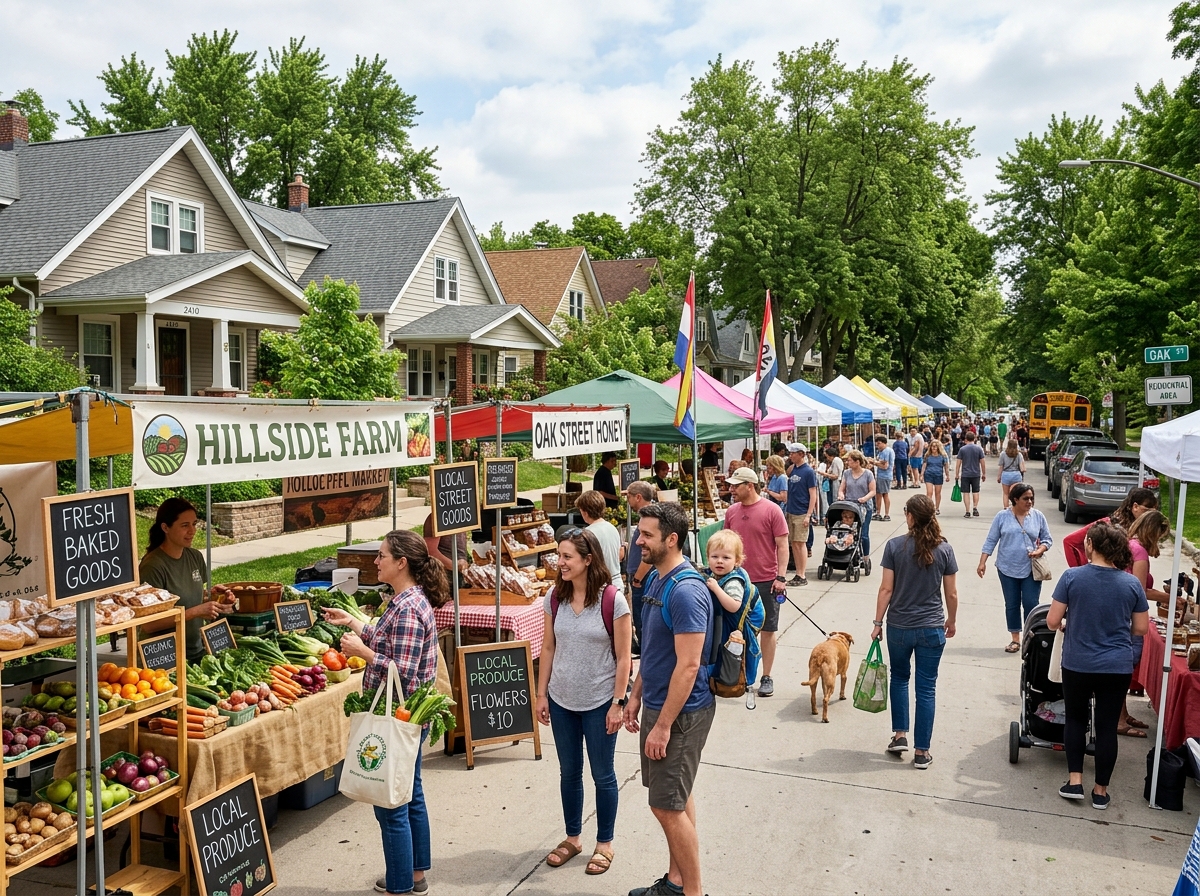
- Eat where locals eat — skip the tourist-menu restaurants and find neighborhood food stalls or markets
- Go slower — spend more time in fewer places so you can become a familiar face, not a passing visitor
- Explore residential neighborhoods — walk away from the main sights into everyday streets
- Use local guides — find vetted, community-based guides who share real stories, not rehearsed scripts
- Join everyday life — attend local festivals, take a class, use public transport
Here’s something worth sitting with for a moment.
A recent survey found that 90% of travelers say experiencing a destination as locals do is a priority — yet nearly half (45%) worry their experiences aren’t actually authentic. That’s a massive gap between what people want and what they feel they’re getting.
And it gets more specific. 62% of travelers say a trip feels wasted if they don’t connect with the local culture. For solo travelers aged 25-40, that feeling hits especially hard. You’re not traveling to check boxes. You want to feel something real.
The problem is that “authentic” has become a buzzword — slapped onto everything from guided bus tours to souvenir shops. So what does it actually mean? And more importantly, how do you find it?
It starts with a mindset shift. As one travel writer put it plainly: “Authenticity isn’t a formula. It’s a feeling.” It’s less about where you go and more about how you show up when you get there.
This guide breaks down exactly how to make that shift — practically, respectfully, and on your own terms.

What Defines Authentic Local Experiences in Modern Travel?
At PrimeFinHub, we believe that an “authentic” experience isn’t necessarily something old or “primitive.” It’s simply the truth of a place as it exists right now. If you go to Hawaii and find locals eating Spam, that’s authentic—even if it isn’t the “tropical fish” fantasy you had in mind. Authenticity is about peeling back the brochure layer to see how people actually live, work, and eat.
Traditional tourism is often a “spectator sport.” You sit on a bus, look through a window at a monument, take a photo, and leave. Authentic local experiences, however, are participatory. Instead of looking at a monument, you’re having a conversation with a shopkeeper near that monument. It’s the difference between watching a dance performance in a hotel lobby and learning the steps from a village elder in their own community.
The Subjectivity of the “Real Deal”
What feels authentic to us might feel different to you. For some, it’s a grueling 10-mile hike to a remote village. For others, it’s sitting in a modern coffee shop in Berlin talking to a local freelance designer about the city’s gentrification. Both are “real.” The key is the human connection. When we move beyond the “must-see” highlights, we start to hear local voices that tell the actual story of the land.
| Feature | Traditional Checklist Tourism | Authentic Local Experiences |
|---|---|---|
| Primary Goal | Seeing famous landmarks | Connecting with people and culture |
| Pace | Fast-paced, multiple sights per day | Slow, immersive, lingering |
| Dining | Tourist-trap restaurants with English menus | Local markets, street stalls, home-cooked meals |
| Interaction | Interaction mostly with service staff | Meaningful exchanges with residents |
| Impact | Money often leaves the community | Direct support for local micro-entrepreneurs |
If you are just starting your journey into independent travel, check out our guide on solo travel hotspots for beginners to find destinations that balance ease of travel with deep cultural roots.
Why We Crave the “Real Deal”: Motivations and Statistics
Why are we so obsessed with “living like a local” lately? It isn’t just a trend; it’s a reaction to our increasingly digital, homogenized world. We want something that can’t be replicated by an algorithm.
The data backs this up:
- 95% of travelers prefer to spend time on new and unique experiences rather than standard sightseeing.
- 70% of travelers prioritize food as the most important aspect of local culture.
- 71% of travelers refuse to cut back on activities and experiences to save money, even if they have to stay in cheaper hotels.
The Millennial “Authenticity Anxiety”
Interestingly, Millennials are the most stressed about this. Research shows that 67% of Millennials worry their travel experiences aren’t authentic, compared to just 24% of Boomers. There is a deep-seated fear of being “just another tourist” or falling for a “staged” experience. This drive for genuine connection is what makes cultural travel destinations so popular for independent explorers.
Whether you are exploring the vibrant streets of Medellin or the mountain villages of Peru, the motivation remains the same: we want to be changed by our travels. For those looking for grit and grace, solo travel in South America offers some of the most raw and rewarding cultural immersions on the planet.
Practical Strategies to Find Authentic Local Experiences
Finding these moments doesn’t happen by accident. It requires a bit of “homework” and a willingness to be uncomfortable. Here is our step-by-step approach to finding the heart of a destination.
1. Choose Lesser-Known Cities
Everyone goes to Florence; why not try Lucca? Instead of Barcelona, head to Girona. Smaller cities often retain a stronger sense of community because they aren’t overwhelmed by mass tourism. In these places, locals are often more open and eager to share their way of life because you are a guest, not just a “customer.”
2. Slow Down and Stay Local
You cannot “experience” a city in 48 hours. Try to stay for a week. Become a “regular” at the corner bakery. Stay in locally-owned guesthouses or homestays. When you stay with a family, you see the small details—how they make their coffee, what they watch on TV, and how they interact with their neighbors.
3. Master the “Language of Respect”
You don’t need to be fluent, but learning “Hello,” “Please,” “Thank you,” and “That was delicious” goes a long way. It signals to locals that you respect their culture enough to try. This often opens doors that remain closed to those who only speak English.
For a perfect example of this in action, look at the Hilltribe Coffee tours in Chiang Mai. These aren’t just tours; they are immersive farm stays where you live alongside the White Karen people, learning the bean-to-cup process while supporting their transition from opium farming to sustainable coffee. It’s a masterclass in how to find hidden gems for solo travelers that benefit everyone involved.
Leveraging Technology for Authentic Local Experiences
Technology is a double-edged sword, but when used correctly, it’s a bridge to authenticity. Platforms that focus on private, local-led tours allow you to skip the crowds.
- Direct Host Support: Use platforms that ensure the majority of your payment goes directly to the local guide or host. This supports sustainable tourism and reinvests in the neighborhood.
- Personalized Itineraries: Private tours allow you to ask questions and pivot. If you see an interesting wedding procession passing by, a local guide can explain what’s happening, whereas a big tour bus would just drive past.
- B Corp Impact: Look for travel companies with B Corp certification. This means they are legally committed to a positive impact on the people and places they visit.
For those navigating new urban environments, our solo friendly city guides and lists of popular destinations for solo backpackers can help you find the right tech tools and neighborhoods to start your exploration.
Navigating Challenges in Your Pursuit of Authentic Local Experiences
The pursuit of authenticity isn’t without its pitfalls. “Staged authenticity”—where a cultural practice is performed solely for money—is a real concern.
How to stay respectful:
- Photography Consent: Always ask before taking a photo of a person or their home. If they say no, respect it.
- Fair Pay: Don’t over-haggle with artisans. A few dollars might mean nothing to you but could be a day’s wages for them.
- Sustainability: Choose experiences that preserve the environment. For example, shade-grown coffee tours preserve forests, while sun-grown plantations often require deforestation.
- Cultural Faux Pas: Research local etiquette. Should you cover your shoulders? Should you take your shoes off? Knowing these small things prevents you from being the “ugly tourist.”
If you’re feeling overwhelmed by the ethics of it all, read our guide on where to go when you’re craving culture for tips on mindful exploration.
Global Examples of Immersive Cultural Encounters
To give you a taste of what’s possible, here are some of our favorite authentic local experiences from around the world:
- Oaxacan Mole Workshops: In Mexico, skip the fancy restaurants and head to a farm-to-table class. You’ll spend the morning at the market picking chilies and the afternoon grinding them on a traditional metate (stone tool). Check out Quinta Brava for a traditional Oaxaca cooking class that feels like joining a family meal.
- Icelandic Home Visits: In rural towns like Sauðárkrókur, you can visit a local home for coffee and “flatkaka” (rye flatbread). It’s not a show; it’s just a conversation about life in the North.
- Hida E-Bikes in Japan: Explore the Japanese countryside on an e-bike, stopping at hidden shrines and meeting farmers who raise the famous Hida beef. It’s a window into rural life that most tourists never see.
- Waikiki Outrigger Canoes: Instead of a motorized boat tour, join a Kanaka-owned outrigger canoe experience. You’ll learn the ancient traditions of the Waikiki Beach Boys and feel the mana (spirit) of the ocean.
For those who love to walk, the heritage trails in Southeast Asia are unbeatable. We recommend reading about George Town and beyond to see how history and modern life blend in the streets of Malaysia.
Frequently Asked Questions about Authentic Travel
How do I know if a tour is truly authentic?
Look for three things: small group sizes (usually under 8 people), a guide who actually lives in the neighborhood, and a focus on “storytelling” rather than just “fact-dumping.” If the tour ends at a massive souvenir shop where the guide clearly gets a commission, it’s likely a tourist trap.
Is it possible to find authenticity in popular cities?
Absolutely. Even in Paris or Rome, you can find authenticity by heading to residential districts like the 11th Arrondissement or Prati. Look for “immigrant stories”—some of the most authentic food and culture in major cities comes from the diaspora communities that have shaped the modern city.
How can I be a respectful guest in local communities?
Be a listener first. Ask questions about people’s lives, not just their “sights.” Support local artisans by buying directly from them, and always follow local etiquette regarding dress and behavior. Remember: you are a guest in their home.
Conclusion
At PrimeFinHub, our mission is to help you move beyond the “surface” of travel. We believe that independent exploration is the greatest teacher we have. By seeking out authentic local experiences, you aren’t just taking a vacation—you are embarking on a transformative journey that builds empathy and creates meaningful connections across borders.
Stop being a tourist. Start being a neighbor. The world is waiting to meet you, not as a customer, but as a friend.
Ready to start your next adventure? Explore more cultural travel destinations and find the perfect spot for your next solo getaway.
