
Why European Cultural City Breaks Belong on Every Solo Traveler’s List
European cultural city breaks are short trips — typically two to four days — to European cities rich in history, art, architecture, and authentic local life.
Here are some of the top destinations worth knowing about:
| City | Country | Cultural Highlight |
|---|---|---|
| Prague | Czech Republic | Medieval old town, UNESCO heritage |
| Bruges | Belgium | 83m Belfry, UNESCO medieval centre |
| Krakow | Poland | Europe’s largest medieval town square |
| Strasbourg | France | Oldest Christmas market (since 1570), Franco-German history |
| Budapest | Hungary | Parliament, thermal baths, Jewish heritage |
| Weimar | Germany | Birthplace of Bauhaus, Goethe, Schiller |
| Seville | Spain | Moorish architecture, tapas culture |
| Vilnius | Lithuania | Baroque old town, KGB Museum |
| Tallinn | Estonia | Best-preserved Hanseatic town centre |
| Dresden | Germany | Baroque palaces, world-class galleries |
Europe is one of the most culturally dense regions on the planet. Within a two-hour flight from most major cities, you can stand inside a Gothic cathedral, eat in a market unchanged for centuries, or wander a neighbourhood shaped by four different empires.
For solo travelers aged 25-40, that’s a genuinely exciting proposition. No waiting for a group. No compromises on what to see. Just you, a compact city, and a weekend to fill however you like.
The good news? Many of the richest cultural destinations in Europe are also among the most affordable. Cities like Plovdiv, Vilnius, and Krakow offer extraordinary history and art at a fraction of the cost of Paris or Amsterdam.
This list is built for independent explorers who want more than tourist traps — real history, authentic neighbourhoods, and the kind of experiences you actually remember.

Defining the Ultimate European Cultural City Breaks
When we talk about a “cultural” break, we aren’t just talking about ticking boxes at famous monuments. For us at PrimeFinHub, a true cultural experience is about the layers of a city. It is the way the 14th-century Gothic architecture sits next to a modern coffee shop, or how the local market smells of spices used for generations.
A great cultural city break encompasses history, architecture, and art, but it also includes the pulse of daily life. It is about understanding how a city like Strasbourg switched its nationality between France and Germany four times in just 75 years, or why the people of Oulu, Finland, celebrate the Air Guitar World Championship to promote world peace.
There is also a hidden benefit to these trips: they are good for your brain. We know that travel helps us decompress, but scientific research on sunshine and mental health shows that getting out into the light and exploring beautiful environments can significantly improve our mood and sleep. Walking through a city with “aesthetic appeal”—think the terracotta rooftops of Graz or the polished limestone streets of Dubrovnik—actually increases our levels of life satisfaction.
For those venturing out alone, we have curated cultural-travel-destinations-for-solo-travelers that prioritize safety, walkability, and deep immersion. These solo-friendly-city-guides ensure you don’t just see the sights, but you feel the soul of the destination.
Artistic Institutions and Immersive Galleries
Museums are often the heart of european cultural city breaks, but the best ones today offer more than just paintings on a wall. They offer stories.
Take Zagreb, Croatia, for example. While it has traditional galleries, it is also home to the Museum of Broken Relationships. This unique institution displays items donated by people from all over the world, each accompanied by a story of a failed romance. It is funny, heartbreaking, and deeply human—a perfect example of modern cultural storytelling. Just around the corner, you can visit the Croatian Museum of Naive Art, which showcases the incredible talent of self-taught artists, offering a glimpse into the rural soul of the country.
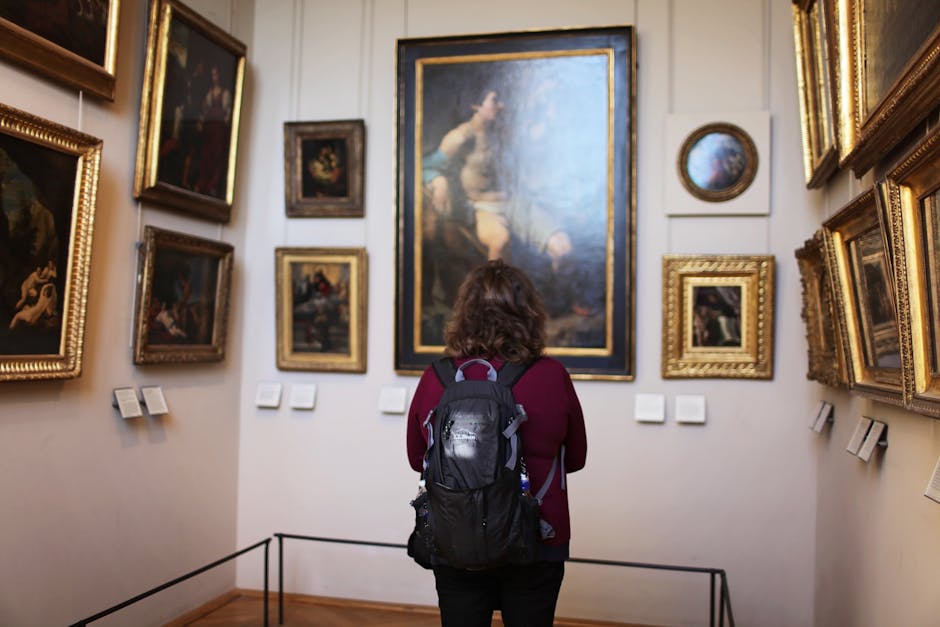
In Dresden, Germany, the art scene is tied to the city’s incredible resilience. The Zwinger Palace, a Baroque masterpiece, houses the Old Masters Picture Gallery where you can see works by Raphael and Rembrandt. Meanwhile, the Albertinum showcases sculptures and paintings from the 19th century to the present day. These institutions aren’t just buildings; they are symbols of a city that was 85% destroyed in WWII and painstakingly rebuilt to its former glory.
If you are looking for more inspiration on where to find these creative hubs, check out our guide on cultural-travel-destinations-for-solo-travelers-2.
Immersive Art in European Cultural City Breaks
The most memorable european cultural city breaks involve stepping into the art itself. This might mean:
- Performance Venues: Attending an opera at the Semperoper in Dresden or a jazz session at Jazzhus Montmartre in Copenhagen.
- Creative Hubs: Exploring the Kunsthofpassage in Dresden, where metal pipes on the outside of buildings play music when it rains.
- Local Traditions: Visiting the oldest Christmas market in France (Strasbourg) or watching the Changing of the Guard at Amalienborg Palace in Copenhagen.
Architectural Heritage and UNESCO Sites
Architecture is the silent storyteller of Europe. When you walk through a UNESCO World Heritage site, you are walking through a preserved chapter of human history.
In Bruges, Belgium, the entire city center is a UNESCO site. The Belfry tower stands 83 meters high, offering a literal high point for any cultural explorer. You can find more tips on navigating this medieval gem at Visit Bruges. Similarly, the Old Town of Riga, Latvia, is renowned for having the finest collection of Art Nouveau buildings in Europe—extravagant, swirling designs that make every street feel like an outdoor museum.
Weimar, Germany, offers a different kind of architectural thrill. It is the birthplace of the Bauhaus movement, which revolutionized modern design. Here, you can see how the “form follows function” philosophy began, tucked away in a city that also hosted literary giants like Goethe and Schiller.
For those just starting their independent travel journey, we recommend looking at solo-travel-hotspots-for-beginners to find cities that are easy to navigate on foot.
Historic Landmarks for European Cultural City Breaks
To truly appreciate the multicultural influences of Europe, look for these landmarks:
- Strasbourg Cathedral: A stunning example of High Gothic architecture that was the world’s tallest building for over 200 years.
- The Blue Mosque and Hagia Sophia: In Istanbul, these sites represent the fascinating blend of Byzantine and Ottoman history.
- The Parliament Building in Budapest: The third-largest parliament in the world, reflecting Hungary’s grand imperial past.
- Kotor’s Old Town: A UNESCO site in Montenegro where 12th-century architecture is tucked between dramatic cliffs and the sea.
Budget-Friendly Immersion and Local Traditions
One of the biggest myths about cultural travel is that it has to be expensive. Many of the most rewarding european cultural city breaks are surprisingly affordable.
In Plovdiv, Bulgaria—one of the oldest continually inhabited cities in Europe—you can enjoy a three-course meal for under £20. In Istanbul, you can get an Istanbulkart for less than £1, which allows you to hop on trams and ferries across the Bosphorus for pennies.
Food is also a vital part of the cultural experience. In Girona, Spain, look for the “Menu del dia” (menu of the day). For around £10-15, you get a three-course meal including wine or beer. It is a tradition designed for locals that travelers can—and should—take advantage of.
If you are worried about the logistics of exploring alone, our tips on traveling-alone-in-big-cities-safely and our list of beginner-friendly-solo-travel-cities will help you navigate these markets and local haunts with confidence.
Exploring European Cultural City Breaks on a Budget
Here is how we recommend stretching your budget without sacrificing the experience:
- Use Public Transport: In cities like Yerevan, Armenia, the metro costs roughly €0.20 per ride.
- Free Walking Tours: Most European cities offer these. They are a great way to meet people and learn the history from a local’s perspective.
- Eat Local: Swap the tourist-trap restaurants for lokantas in Turkey or burek bakeries in the Balkans. In Sarajevo, you can get a world-class meal for under £10.
- Visit Off-Season: Cities like Heraklion in Crete offer hotel rooms for as low as €20 a night during the winter months, while still providing plenty of history and sunshine.
| Budget Item | High-Cost City (e.g., Paris) | Budget-Friendly City (e.g., Krakow) |
|---|---|---|
| Coffee | £4.50 | £1.80 |
| Local Beer | £7.00 | £2.20 |
| Hostel/Budget Hotel | £60+ | £15-25 |
| Museum Entry | £15-20 | £4-8 |
Frequently Asked Questions about Cultural Travel
What defines a ‘cultural’ European city break?
A cultural city break focuses on the heritage and soul of a destination. It includes visiting historical sites, museums, and galleries, but also immersing yourself in local traditions, trying authentic cuisine, and observing the unique architectural styles that define the city’s character.
Which European cities are best for history and architecture?
- Rome and Athens: For ancient history and classical architecture.
- Prague and Bruges: For perfectly preserved medieval old towns.
- Riga: For Art Nouveau enthusiasts.
- Dresden and Seville: For grand Baroque and Moorish styles.
- Warsaw: For an incredible lesson in reconstruction and resilience.
How can I explore European culture on a budget?
Focus on Eastern European or Balkan destinations like Sofia, Belgrade, or Vilnius. Use public transport cards (like the Istanbulkart), eat at local markets, and look for “free museum days” which many European cities host once a month.
Conclusion
At PrimeFinHub, we believe that the best way to see the world is on your own terms. European cultural city breaks offer the perfect opportunity for independent exploration. Whether you are climbing the 83-meter Belfry in Bruges, sipping tea in a Sarajevo cafe, or discovering the Bauhaus heritage in Weimar, these trips provide a depth of experience that stays with you long after you have returned home.
For your next adventure, consider these top-tier cultural hubs:
- Ljubljana, Slovenia: For a green, clean, and calm atmosphere.
- Tallinn, Estonia: For a fairytale medieval experience.
- Tbilisi, Georgia: For a unique blend of vintage European vibes and Caucasian hospitality.
- Gdansk, Poland: For stunning 16th-century monuments and affordable maritime history.
Ready to start planning? Explore more cultural destinations and find the perfect spot for your next solo getaway. Stop and smell the culture—it’s waiting for you.
