
Why Cultural Festivals Solo Asia Are the Ultimate Independent Adventure
Cultural festivals solo Asia is one of the most rewarding ways to travel — and for good reason.
Here are the top cultural festivals across Asia that solo travelers should know about:
| Festival | Location | When | Free? |
|---|---|---|---|
| Solo Culture Festival | Surakarta, Indonesia | Early August | Mostly free |
| Solo Menari | Surakarta, Indonesia | April 29 | Free |
| Solo Keroncong Festival | Surakarta, Indonesia | Annual | Free/low cost |
| SIPA | Surakarta, Indonesia | Annual | Free |
| Songkran | Thailand (nationwide) | April 13-15 | Free |
| Loi Krathong | Thailand (nationwide) | November full moon | Free |
| Thimphu Tshechu | Bhutan | October | Varies |
| Kumbh Mela | Prayagraj, India | Every 3-12 years | Free |
| Holi | India (nationwide) | March | Free |
| Ayutthaya World Heritage Fair | Ayutthaya, Thailand | November-February | Free |
Going to a festival alone might sound lonely. It isn’t.
In fact, festivals are perfect for solo travelers. The crowd becomes your companion. The performances give you something to focus on. And the shared energy of thousands of people celebrating culture together makes it surprisingly easy to connect with strangers.
Asia is home to some of the most vivid, immersive, and welcoming festivals on the planet. From the gamelan rhythms pulsing through the streets of Solo (Surakarta) in Central Java, to the full-scale water battles of Songkran in Thailand, to the masked sacred dances of Bhutan — there is no shortage of experiences that will stop you in your tracks.
The challenge isn’t finding a good festival. It’s knowing which ones are worth building your trip around, and how to navigate them without a travel partner holding the map.
This guide breaks it all down — by destination, by season, and by what kind of traveler you are.
The Soul of Java: Immersive Cultural Festivals Solo Asia
When we talk about cultural festivals solo Asia, the city of Solo (officially known as Surakarta) in Central Java stands out as a crown jewel. Often overshadowed by its neighbor Yogyakarta, Solo is the true beating heart of Javanese heritage. As a former seat of the Surakarta Sultanate, the city’s identity is inextricably linked to the Keraton Surakarta (the Royal Palace).
Solo isn’t just a city with history; it is a UNESCO Creative City in Craft and Folk Art. This means the festivals here aren’t just for show—they are vital tools for cultural diplomacy and the creative economy. For us solo travelers, this translates to an authentic, welcoming atmosphere where the local community is fiercely proud to share their traditions.
One of the most massive events is the Solo International Performing Arts (SIPA). Imagine sitting among 30,000 other spectators under the stars at a historic outdoor venue. SIPA brings together dancers, musicians, and theater performers from across the globe, creating a melting pot of creativity. It’s not just a stage show; it’s a city-wide activation featuring art residencies and the SIPA Urban Market, making it incredibly easy for an independent traveler to wander, eat, and soak in the vibes without feeling out of place.
Music lovers should keep an eye out for the Solo Keroncong Festival. Keroncong is a unique Javanese musical genre with Portuguese roots, and this festival—themed “Keroncong Majestic”—blends classic palace traditions with modern cross-genre collaborations. It’s a nostalgic yet innovative experience that has earned its spot in the prestigious “Kharisma Event Nusantara” program.
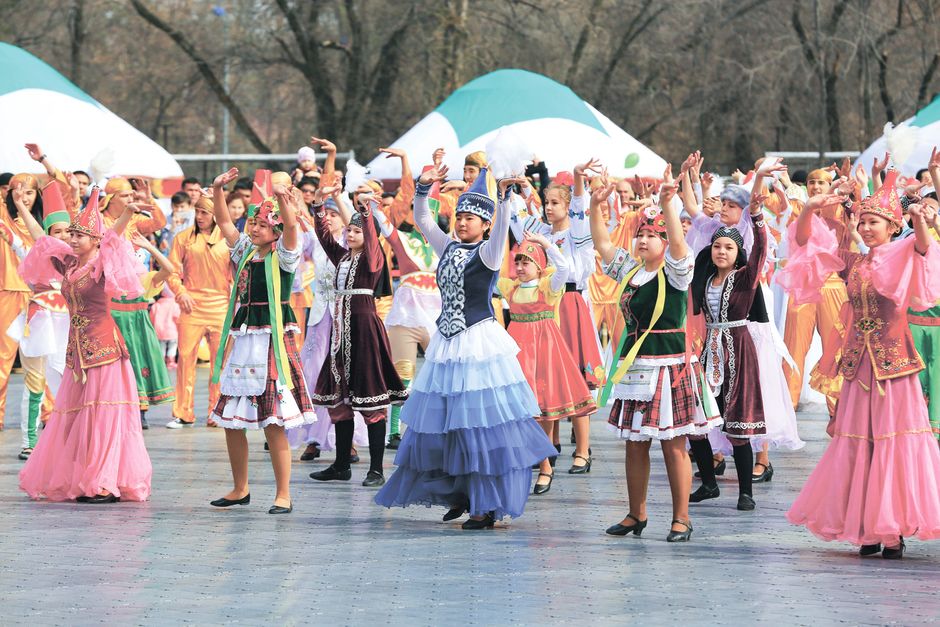
Solo Menari and the Art of Movement
Every year on April 29th, the city transforms for World Dance Day. The festival, known as Solo Menari, turns public spaces into open-air theaters. We love this event because it often carries deep thematic weight. For 2025, the theme “Dancing Leaves” (Daun Menari) links the grace of dance with environmental care, highlighting nature’s role in our lives.
For the solo explorer, Solo Menari is a dream. You can follow the “dance trail” through the city, watching performances that range from ancient court dances to contemporary experimental pieces. It’s a fantastic way to see the city’s landmarks while being part of a global celebration of movement. If you are looking for more inspiration on where to head next, check out our guide on cultural-travel-destinations-for-solo-travelers.
Solo Culture Festival: A Deep Dive into Tradition
If you find yourself in Central Java in early August, the Solo Culture Festival is an absolute must. This multi-day event is a “living dialogue” between the past and the present. You’ll see the famous Wayang Kulit (shadow puppetry), hear the hypnotic clang of Gamelan rhythms, and witness street parades that pulse with energy.
A quick tip for the solo wanderer: wear your most comfortable walking shoes. You can expect to cover 5-7 km daily as you move between palace courtyards and local marketplaces. We recommend looking for the smaller, neighborhood-based arts shows—these are often more intimate and allow you to chat with local artisans. For those who are flying solo and craving culture, this festival offers the kind of depth that stays with you long after the plane ride home.
Beyond Indonesia: Iconic Asian Festivals for Independent Explorers
While Solo is a heavy hitter, the broader landscape of cultural festivals solo Asia offers plenty of other legendary stops. Thailand, in particular, is a solo traveler’s paradise due to its ease of navigation and friendly locals.
Take the Ayutthaya World Heritage Fair, for example. Held in the cool season (November to February), this festival celebrates the city’s UNESCO status with historical reenactments and stunning illuminations of ancient ruins. It’s a tranquil yet spectacular way to learn about Thailand’s past. For more tips on navigating heritage sites alone, see our solo traveler’s guide to Asian heritage walks.
Of course, we can’t talk about Thailand without mentioning Songkran. From April 13-15, the entire country turns into a massive, joyful water fight. While it’s rooted in the tradition of washing away bad luck for the Thai New Year, it has evolved into a nationwide party. As a solo traveler, you won’t stay dry for long—and you won’t stay a stranger for long either, as everyone is a target in this friendly “war.”
Spiritual Spectacles: Cultural Festivals Solo Asia in South Asia
Moving toward South Asia, the festivals take on a more spiritual and monumental scale.
- Kumbh Mela (India): This is one of the world’s largest religious gatherings. Millions of pilgrims gather to bathe in sacred rivers like the Ganges for purification. While the sheer scale can be intimidating for a solo traveler, the sense of shared humanity is unparalleled.
- Holi (India & Nepal): The festival of colors is a sensory explosion. Participants throw colored powder and water to celebrate the arrival of spring and the victory of good over evil. It’s raucous, messy, and incredibly fun.
- Thimphu Tshechu (Bhutan): For something more serene but equally vibrant, Bhutan’s Tshechus (religious festivals) feature masked dances performed by monks and laymen in brilliant costumes. At the Tashichho Dzong, these dances honor guardian deities and are believed to bring luck to those who watch.
For more insights into South Asian travel, visit our page on cultural-travel-destinations-for-solo-travelers-2.
Seasonal Celebrations: Cultural Festivals Solo Asia in Thailand
Thailand’s calendar is packed with unique regional events that are perfect for solo “festival hopping”:
- Loi Krathong (November): On the night of the full moon, people release candlelit “krathongs” (floats) onto rivers to thank the water goddess. It is a visually stunning and peaceful experience.
- Phi Ta Khon (June): Also known as the Ghost Festival, this event in Dan Sai features locals wearing huge, colorful masks made from coconut tree trunks. It’s quite possibly the most raucous and wacky festival in the country!
- Bun Bang Fai (May): The Rocket Festival in the Isaan region involves launching massive bamboo rockets into the sky to “nudge” the gods into sending rain for the rice season.
If your travels take you even further afield, you might also be interested in solo travel in South America, though the Asian festival circuit remains our top pick for sheer density of events.
Practical Logistics for the Solo Festival Goer
Navigating these events alone requires a bit of prep. While the spontaneity of solo travel is great, a little bit of planning goes a long way when you’re dealing with crowds of 30,000+ people.
| Factor | Solo (Surakarta) | Thailand (Songkran) | Bhutan (Tshechu) |
|---|---|---|---|
| Crowd Size | Moderate to High | Very High | Moderate |
| Budget | Low ($) | Moderate ($$) | High ($$$ – Daily Fee) |
| Accessibility | Walkable / Becak | Public Transit / Tuk-tuk | Guided Tour Required |
| Best Tip | Wear modest dress | Use waterproof cases | Book months in advance |
Safety and Connectivity: Always keep your electronics in a waterproof case, especially during Songkran or the rainy season in Indonesia. For the Solo Keroncong Festival 2026, having a local SIM card with GPS is vital for navigating the winding streets of the old city.
Navigating Crowds and Local Customs
In Solo, the best way to get around is by Becak (traditional cycle rickshaw). It’s affordable, supports the local economy, and gives you a front-row seat to the city’s street life.
Etiquette is key:
- Dress Modestly: Especially in Solo and Bhutan, covering your shoulders and knees is a sign of respect.
- Photography: Always ask permission before taking close-up photos of performers or locals in prayer.
- Language: Learning basic Thai phrases like “Sawadee kha/krub” or Javanese greetings will open doors and hearts. Javanese hospitality is legendary—don’t be surprised if you’re invited to share a meal!
Culinary Delights and Souvenirs of Solo
You cannot experience cultural festivals solo Asia without diving into the food. In Solo, the food is as much a part of the festival as the music.
- Gudeg Solo: Unlike the sweeter version in Yogyakarta, Solo’s gudeg (jackfruit stew) is savory and often served with a rich coconut cream.
- Sate Kere: Historically the “poor man’s satay,” it’s made from tempeh gambus (fermented soy) and is a delicious, smoky street food staple.
- Sate Klathak: Simple, bold grilled lamb skewers that highlight the quality of the meat.
When it comes to souvenirs, Solo is the place to buy Batik. Whether you visit a high-end gallery or a local workshop, look for Batik Tulis (hand-drawn). For other unique finds, look for Kriya Khas Solo—traditional crafts that range from leather puppets to intricate wood carvings.
Frequently Asked Questions about Solo Travel to Asian Festivals
Is it safe to attend large festivals like Songkran or Kumbh Mela alone?
Yes, but you must be “street smart.” During Songkran, the main danger is slippery floors and water-damaged phones. At Kumbh Mela, the sheer volume of people is the biggest challenge. Always have a designated meeting point (even if it’s just for yourself), keep your valuables in a front-facing bag, and stay hydrated.
How do I find the specific dates for festivals in Solo for 2025-2026?
Most of Solo’s major festivals are tied to either the Gregorian calendar (like Solo Menari on April 29) or the lunar/Javanese calendar. For the most up-to-date info, check the official Indonesia Travel event pages or the Solo Keroncong Festival site. Dates for 2026 are often finalized about 6-12 months in advance.
What is the best way to navigate crowds at the Solo Culture Festival?
Patience is your best friend. The streets of Solo can become very narrow and packed during parades. Move with the flow of the crowd, keep a festival map on your phone, and don’t be afraid to take a break in a local “warung” (small cafe) to let the peak rush pass.
Conclusion
At PrimeFinHub, we believe that traveling solo shouldn’t mean missing out on the world’s greatest celebrations. In fact, exploring cultural festivals solo Asia allows you to engage with local traditions on a much deeper, more personal level.
Whether you are witnessing the “Dancing Leaves” in the streets of Surakarta or releasing a lantern in Thailand, these festivals are powerful engines for cultural diplomacy and the creative economy. They preserve heritage while welcoming the future. By choosing to attend these events, you aren’t just a spectator—you’re a participant in a global exchange of joy and tradition.
Ready to plan your next independent cultural immersion? Explore our curated guides and let us help you find your next destination at https://www.primefinhub.com/. Safe travels, and we’ll see you in the crowd!
