
Why the Best Solo Heritage Sites Are Worth Exploring Alone
The best solo heritage sites combine safety, accessibility, and rich cultural depth — making them ideal for independent travelers who want authentic experiences without group constraints.
Quick answer — top solo-friendly heritage sites to book now:
- Valletta, Malta — compact, walkable, 300+ historic monuments in 55 hectares
- Ancient Kyoto, Japan — world-class infrastructure, iconic temples, extremely safe
- Machu Picchu, Peru — well-organized guided tours, strong solo traveler community
- Plitvice Lakes, Croatia — raised boardwalks, clear trails, easy independent navigation
- Galapagos Islands, Ecuador — structured eco-tours, extraordinary biodiversity
- Angkor, Cambodia — affordable, solo-friendly, covers over 150 square miles of history
- Newgrange, Ireland — guided ranger tours, intimate group sizes, 5,200 years of history
- Yellowstone, USA — excellent visitor infrastructure, diverse solo activities
- Lord Howe Island, Australia — capped at 400 visitors, no cars, deeply peaceful
- iSimangaliso Wetland Park, South Africa — thriving sustainable tourism, strong local engagement
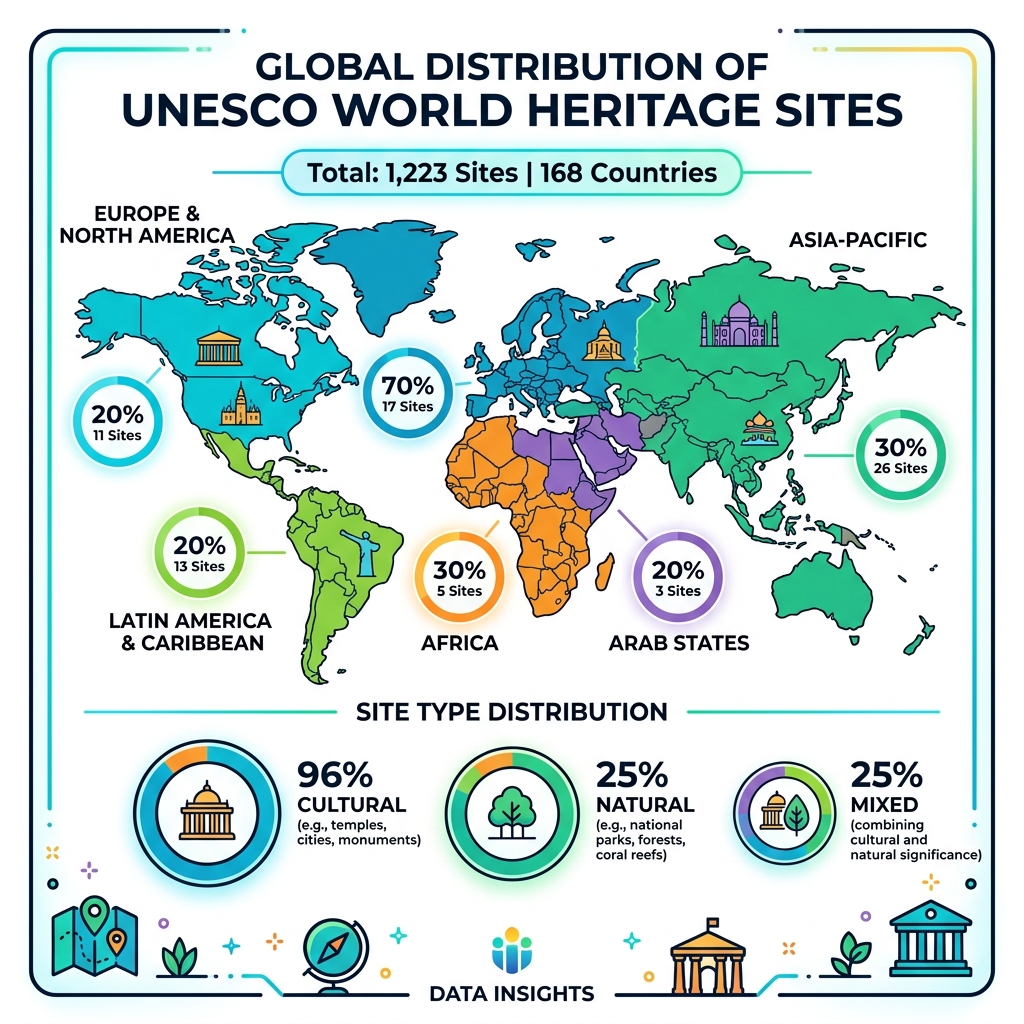
There are 1,223 UNESCO World Heritage Sites spread across 168 countries. That’s an almost overwhelming number of places to choose from — especially when you’re planning a trip alone.
Solo travel to heritage sites hits differently. You move at your own pace. You linger where you want. You connect with a place — and sometimes with strangers — on your own terms.
But not every heritage site is equally solo-friendly. Some are remote and hard to reach. Others lack infrastructure or safe solo access. A few receive fewer than a dozen visitors per year (East Rennell in the Solomon Islands is one example).
The good news? Plenty of sites are perfectly set up for independent explorers — with guided tours, social hubs, walkable layouts, and rich cultural immersion built right in.
This guide cuts through the noise and helps you find exactly where to go.
Defining the Best Solo Heritage Sites: What Makes a Location Solo-Friendly?
When we talk about the best solo heritage sites, we aren’t just looking for beauty or historical significance. For a solo traveler, the “vibe” and the logistics matter just as much as the ruins themselves. A site becomes solo-friendly when it removes the friction of being alone.
Safety is, naturally, the top priority. We look for destinations with low crime rates and well-lit, populated areas. But beyond physical safety, there is “logistical safety”—knowing that if you miss a bus, there’s another one coming, or that the signage is clear enough that you won’t get lost in a remote jungle.
Accessibility and infrastructure are the unsung heroes of solo travel. Can you get there via public transport, or do you need to hire a private 4×4? Sites like Valletta or Kyoto excel because their public transport is legendary. Walkability is another huge factor; there is nothing quite like wandering through a historic center on foot, stopping at a cafe whenever the mood strikes.
Language ease also plays a role. While you don’t need to be fluent in the local tongue, having English-speaking guides or multilingual signage makes the experience much more immersive and less stressful. If you are wondering where to go when you’re flying solo and craving culture, look for places that offer robust visitor centers and a culture of openness toward foreigners.
Finally, the best sites often have “social hubs”—places like hostels, group walking tours, or communal dining areas where you can meet fellow history buffs. A great heritage site for a solo traveler is one where you can be alone without ever feeling lonely.
Top Natural UNESCO World Heritage Sites for Independent Explorers
Nature has a way of making us feel small in the best possible way. For the solo traveler, natural heritage sites offer a chance for quiet reflection and awe-inspiring photography.
Lord Howe Island, Australia
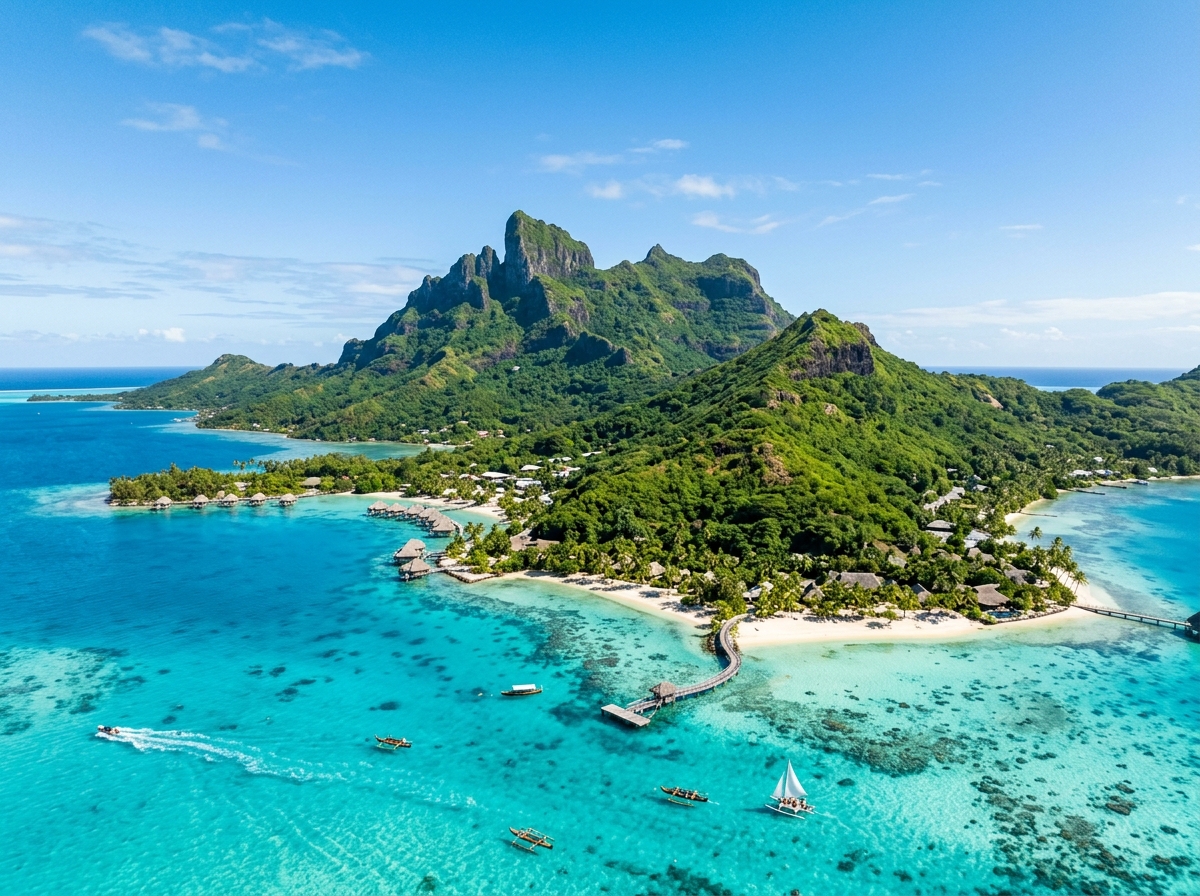
If you want to truly disconnect, Lord Howe Island is a masterpiece of conservation. This island is capped to host only around 400 tourists at any time. With no cars (everyone bikes or walks), it is incredibly safe and peaceful. It’s the kind of place where you can leave your worries at the shore and hike through ancient forests or snorkel in the world’s southernmost coral reef.
Galapagos Islands, Ecuador
Often called a “living museum of evolution,” the Galapagos inspired Charles Darwin’s theory of evolution. For a solo traveler, the logistics are surprisingly manageable because most visitors join organized boat tours or “land-based” stays where day trips are pre-arranged. With 2,900 documented animal species, you’ll have plenty of non-human company!
Plitvice Lakes, Croatia
This is a solo traveler’s dream. The park features 16 interconnected lakes and stunning waterfalls. What makes it one of the best solo heritage sites is the infrastructure: miles of raised wooden boardwalks allow you to navigate the water-filled landscape easily and safely on your own.
Yellowstone National Park, USA
Yellowstone is a geothermal wonderland. It’s home to a supervolcano that has been dormant for about 70,000 years (hopefully, it stays that way for our visit!). The park is massive, but the “Old Faithful” area and the Grand Canyon of the Yellowstone are very accessible for solo explorers, with clear trails and plenty of ranger-led programs.
| Site | Accessibility | Visitor Cap/Volume | Best Feature for Solos |
|---|---|---|---|
| Lord Howe Island | Flight from Sydney/Brisbane | 400 at any time | No cars; total safety |
| Galapagos | Flight from Quito/Guayaquil | Regulated by tour | Incredible wildlife proximity |
| Plitvice Lakes | Bus from Zagreb/Zadar | High volume | Raised boardwalk paths |
| East Rennell | Very difficult (off-road) | ~12 per year | Ultimate solitude |
iSimangaliso Wetland Park, South Africa
Since its listing in 1999, this park has become a beacon for sustainable tourism, generating over 12,000 jobs. It’s a fantastic spot for solo travelers interested in eco-tourism and seeing the “Big Five” in a coastal setting.
Cultural and Historical Gems: Best Solo Heritage Sites for Immersive Learning
While natural sites offer peace, cultural sites offer a deep dive into the human story. These locations are perfect for those who want to learn while they wander.
Newgrange, Ireland
Constructed around 5,200 years ago, Newgrange is older than the Great Pyramids and Stonehenge. For solo travelers, it’s a very controlled experience—you must visit via the Brú na Bóinne Visitor Centre and join a guided tour. This is actually a benefit for soloists, as it provides instant structure and a group to learn with. If you’re lucky enough to win the annual lottery, you might even see the Winter Solstice sunbeam illuminate the inner chamber—a 17-minute event that symbolizes the victory of life over death.
Valletta, Malta
Valletta is one of the most concentrated historic areas in the world. Within just 55 hectares, you’ll find over 300 monuments. It’s a “living museum” where you can easily spend a few days getting lost in limestone alleys. Because it’s so compact, it’s arguably one of the most walkable and safe urban heritage sites for someone traveling alone.
Kyoto, Japan
Kyoto was Japan’s imperial capital for over a millennium. It is a city of 1,600 Buddhist temples and 400 Shinto shrines. Japan’s culture of respect and its world-class public transport make it a top-tier choice. For a detailed look at how to navigate similar areas, check out George Town and beyond: a solo traveler’s guide to Asian heritage walks.
U.S. National Historic Sites
For those exploring North America, the National Park Service manages several “micro-heritage” sites that are perfect for a day trip:
- Herbert Hoover National Historic Site: Discover the humble beginnings of the 31st President, who was orphaned at nine and rose to global leadership.
- Frederick Douglass National Historic Site: Visit “Cedar Hill,” where Douglass lived his last 17 years. You must be on a guided ranger tour to enter the house, making it a great way to meet others.
- Abraham Lincoln Birthplace National Historical Park: See the symbolic cabin that represents Lincoln’s frontier beginnings in Kentucky.
Machu Picchu, Peru
High in the Andes, this Inca citadel is a bucket-list staple. While it requires some planning (and perhaps some coca tea for the altitude!), the well-trodden “Gringo Trail” means you will meet hundreds of other solo travelers. The site is a mysterious maze of buildings and plazas that are best explored with a local guide to truly understand the engineering marvels of the Inca.
Practical Logistics: Managing Your Solo Heritage Journey
Planning a trip to the best solo heritage sites requires a bit of strategy to keep costs down and spirits up.
Managing Transportation and Accommodation
Getting to remote sites like the Pantanal in Brazil or the Canadian Rockies can be pricey. We recommend booking your transport well in advance. For accommodation, look for local guesthouses or “boutique hostels.” These often provide more character than big hotels and are much better for meeting people. If you are staying near the Eugene O’Neill National Historic Site in California, for instance, look for stays in Danville that offer shuttle access.
Dealing with the Single Supplement
The “single supplement” is the bane of the solo traveler’s existence. Many cruise lines and tour operators charge extra for a single room. To avoid this:
- Look for solo-specific travel companies (like PrimeFinHub’s curated partners).
- Travel during the shoulder season when hotels are more likely to waive extra fees.
- Consider “mixed” heritage sites that offer a variety of cultural travel destinations for solo travelers in one region, allowing you to stay in one central hub and take day trips.
Budgeting and Safety
Heritage sites often have entrance fees that contribute to conservation. For example, some sites are on the “List of World Heritage in Danger” and rely heavily on tourism revenue. Always carry a bit of local currency for smaller sites, but rely on cards in major hubs.
Safety-wise, always let someone know your itinerary. If you’re hiking in a place like Bwindi Impenetrable National Park to see gorillas, you’ll be with a group and a ranger, which provides built-in safety. For urban sites, keep your belongings secure and be aware of your surroundings, just as you would in any city.
Maximizing Personal Growth at the Best Solo Heritage Sites
Traveling alone to a place of great historical or natural weight is a transformative experience. There is a specific kind of resilience that grows when you navigate a foreign transit system to reach a 5th-century stronghold like Sigiriya in Sri Lanka.
Cultural Immersion and Global Citizenship
Visiting heritage sites allows us to engage with “intangible heritage”—the traditions, music, and food that live on around the ruins. In places like Marrakesh’s Jemaa el-Fnaa, the heritage isn’t just the buildings; it’s the storytelling and the energy of the square.
Solo travel encourages you to be more than just a spectator. You become a global citizen. When you learn that glaciers in a third of the 50 World Heritage glacierized sites are condemned to disappear by 2050, it changes how you view your own environmental footprint.
Storytelling and Connection
Every site has a story. Whether it’s the escaped slaves (Maroons) who found sanctuary at Le Morne Brabant in Mauritius or the 20,000 workers who spent 20 years building the Taj Mahal, these tales resonate more deeply when you have the silence to hear them.
For more inspiration on how to find these life-changing spots, explore our further guides on cultural travel destinations for solo travelers 2.
Frequently Asked Questions about Historic Travel
How can I avoid single supplements at the best solo heritage sites?
The best way to avoid these fees is to look for “solo-friendly” accommodations like guesthouses or hostels that charge per person rather than per room. Additionally, some tour operators now offer “room-share” programs where they pair you with another solo traveler of the same gender. Booking early or during the off-peak season is another great way to negotiate these costs.
What are the safest heritage sites for first-time solo travelers?
If it’s your first time going it alone, we highly recommend Valletta (Malta), Kyoto (Japan), or the City of Bath (England). These locations have exceptionally low crime rates, excellent signage in English, and are very easy to navigate on foot or by public transport. They offer a “soft landing” for solo explorers.
Are there group activities available at the best solo heritage sites?
Absolutely! Most major UNESCO sites offer daily walking tours. You can also look for specialized workshops—like traditional landscaping classes in Kyoto or archaeological volunteer opportunities. National parks in the U.S. and abroad often have ranger-led talks and evening campfire programs that are perfect for meeting people in a low-pressure environment.
Conclusion
At PrimeFinHub, we believe that the world’s most precious places shouldn’t just be seen—they should be experienced deeply. The best solo heritage sites offer more than just a photo op; they offer a mirror to our past and a roadmap for our future.
Whether you are standing in the shadow of the Great Wall of China or watching the sunrise at a Neolithic tomb in Ireland, traveling solo gives you the space to truly listen to the whispers of history. You don’t need a partner to witness the “symphony of waterfalls” at Milford Sound or the “fairy chimneys” of Cappadocia. You just need a sense of curiosity and a well-planned itinerary.
Ready to write your own “solo tale”? We’ve done the research so you can focus on the journey. Start your journey at PrimeFinHub Destinations today and discover a world of immersive, independent exploration.
