
Why Cultural Fire Walking Solo Is the Ultimate Immersive Travel Experience
Cultural fire walking solo is one of the most powerful ways to connect with living traditions across the globe. Whether you’re drawn to the Sawau tribe’s 500-year-old ceremony on Fiji’s Beqa Island, the sacred Shugendo rituals on Japan’s Mount Kongo, or the ancient Anastenaria of Greece and Bulgaria — there are real, bookable solo retreats and cultural experiences that let you witness or participate firsthand.
Here are the top cultural fire walking solo experiences available to independent travelers:
| Destination | Tradition | Best For |
|---|---|---|
| Beqa Island, Fiji | Vilavilairevo (Sawau tribe) | Witnessing authentic tribal ceremony |
| Mount Kongo, Japan | Shugendo Hiwatari | Participating in the walk yourself |
| Strandja, Bulgaria/Greece | Nestinarstvo / Anastenaria | Observing a rare, living folk ritual |
| East New Britain, Papua New Guinea | Baining Fire Dance | Witnessing a sacred initiation ceremony |
| Udappu, Sri Lanka | Hindu Tamil firewalking festival | 18-day immersive cultural experience |
Fire has been central to human ritual for a very long time. The earliest known record of fire walking dates back to Iron Age India around 1200 BCE. Since then, cultures across Polynesia, Asia, Europe, and the Pacific have kept the flame alive — each with their own legends, rules, and meanings.
For a solo traveler, these ceremonies offer something rare: a chance to step into a community’s deepest identity, not just observe it from the outside.
Some fire walks happen on coals reaching 1,000°F (538°C). Some last a few seconds. Others, like the Baining Fire Dance in Papua New Guinea, burn through the entire night. What they all share is a profound human story — of courage, faith, and collective belonging.
This guide maps out the best cultural fire walking solo experiences, explains what to expect, and shows you how to plan a respectful, safe, and unforgettable journey.
The Global Map of Cultural Fire Walking Solo
When we look at the global map of fire walking, we see a tapestry of belief and bravery. For the solo traveler, navigating these locations requires more than just a plane ticket; it requires an understanding of the specific tribal and spiritual contexts that make each walk unique.
In Fiji, the epicenter of this tradition is Beqa Island. Home to the Sawau tribe, this island is the birthplace of the legend of Tui Naiviqalita. According to oral history, nearly 500 years ago, a warrior spared the life of a spirit god (veli) in exchange for the gift of fire walking. Today, his descendants still perform the Vilavilairevo, walking across white-hot river stones that have been heated for eight hours.
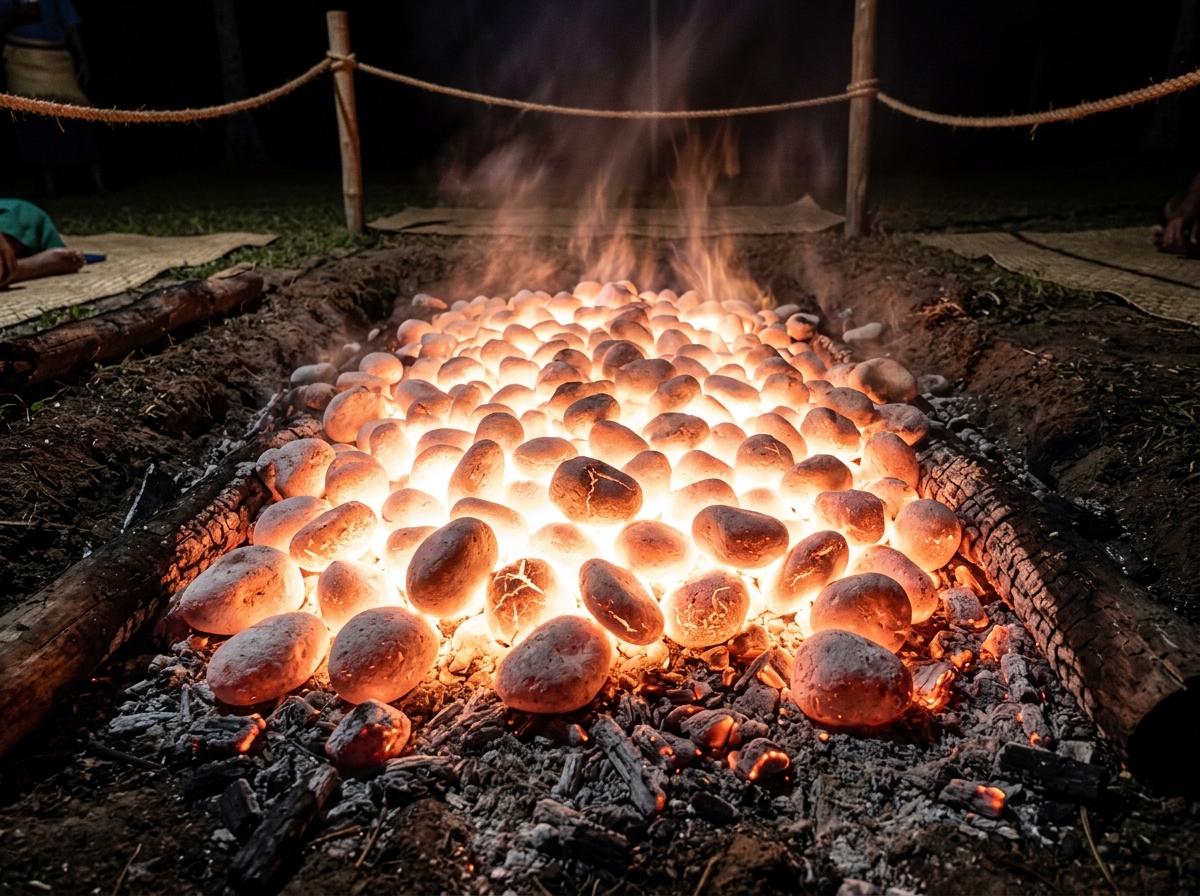
Further north, in Japan, the Shugendo rituals on Mount Kongo offer a different flavor of fire. Here, the Yamabushi (mountain monks) engage in Hiwatari as a form of purification. This isn’t just a performance; it is an ascetic trial. In Europe, specifically the Strandja region overlapping Greece and Bulgaria, the Anastenaria (or Nestinarstvo) sees practitioners dancing on embers while holding icons of Saints Constantine and Helena.
To help you choose your next destination for cultural fire walking solo, we’ve compiled a comparison of these global traditions:
| Tradition | Location | Temperature (Approx) | Key Element |
|---|---|---|---|
| Vilavilairevo | Fiji (Beqa Island) | 750°F – 900°F | Volcanic River Stones |
| Hiwatari | Japan (Mt. Kongo) | 1,000°F | Sacred Goma Wood |
| Nestinarstvo | Bulgaria/Greece | 800°F | Rhythmic Drumming & Icons |
| Baining Fire Dance | Papua New Guinea | 1,200°F+ | Giant Masks & Bamboo |
| Udappu Festival | Sri Lanka | 1,500°F+ | 18 Days of Fasting |
For more inspiration on where to take your next independent journey, check out our guide on cultural-travel-destinations-for-solo-travelers.
Finding Authenticity in Cultural Fire Walking Solo
For us at PrimeFinHub, the goal is always to find the “real” experience. In Fiji, while many resorts in Pacific Harbour or on the Coral Coast offer fire walking demonstrations, the most authentic experience remains on Beqa Island itself. Visiting the village of Nakarovu allows you to witness the ceremony in its ancestral home.
Solo travelers should look for experiences that respect village protocols. This often involves a sevusevu (a gift of kava root) presented to the village chief. By following these traditional channels, you move from being a mere tourist to a respected guest. If you are looking for other ways to immerse yourself in local life, our cultural-travel-destinations-for-solo-travelers-2 page offers deeper insights into village stays and sacred site exploration.
The Spiritual Impact of Cultural Fire Walking Solo
Why do people do it? For many, it is a rite of passage or a test of faith. Scientists call the feeling of shared intensity during these rituals “collective effervescence.” When a community watches a lone walker cross the coals, the heart rates of the spectators often synchronize with the performer.
For the solo traveler, witnessing this provides a masterclass in mental discipline and ancestral connection. It reinforces the idea that we are part of something much larger than ourselves. This sense of identity reinforcement is a core pillar of what we promote at PrimeFinHub. You can learn more about how movement and ritual define a culture in our george-town-and-beyond-a-solo-travelers-guide-to-asian-heritage-walks guide.
The Science and Spirit: How Fire Walkers Defy the Heat
It looks like magic, but there is a fascinating blend of physics and psychology at play. When we see a practitioner step onto white-hot embers, we are witnessing the laws of thermodynamics in action.
The primary reason fire walkers don’t sustain third-degree burns is thermal conductivity. Hardwood coals and volcanic stones are actually poor conductors of heat. Think of it like a cake in an oven: you can touch the hot air (poor conductor) or even the cake (poor conductor) for a split second, but if you touch the metal pan (excellent conductor), you’ll get burned instantly.
Key scientific factors include:
- Short Contact Time: Fire walkers maintain a steady, brisk pace, ensuring their feet are only in contact with the heat for a fraction of a second.
- Thermal Effusivity: This property determines how quickly heat transfers from the coals to the skin. Because coals are porous and light, they don’t transfer heat as efficiently as solid metal would.
- The Leidenfrost Effect: This theory suggests that a thin layer of sweat on the foot evaporates instantly upon contact with the heat, creating a protective “vapor shield.” However, most experts warn that wet feet can actually cause hot embers to stick, which is dangerous!
- Specific Heat Capacity: Water in the blood and skin has a high heat capacity, meaning it takes a lot of energy to raise the temperature of the foot significantly during those brief steps.
Despite these explanations, many traditions, like those in Sri Lanka, maintain that it is “mind over matter” or divine protection that keeps them safe. Whether it’s physics or faith, the result is an awe-inspiring display of human potential.
Preparing for Your Immersive Cultural Journey
If you’re planning a cultural fire walking solo trip, preparation is key. You aren’t just showing up for a show; you are entering a sacred space. In Fiji, the preparation for the fire walkers themselves is intense, involving 10 days of abstinence from women and coconuts. As a visitor, your preparation is about cultural sensitivity.
Rituals of Abstinence and Mental Focus
In the Sawau tribe, the walkers must follow strict protocols to ensure their “gift” remains active. This includes:
- Dietary Restrictions: Avoiding coconut products, which are believed to cause the feet to burn.
- Spiritual Cleansing: Daily prayers and meditation to connect with ancestral spirits.
- Taboo Observance: Complete segregation from females for a set period before the walk.
As a solo traveler, you should mirror this focus by researching the specific taboos of the region you are visiting. For example, in Japan, you might want to participate in a pre-walk meditation at Tenporin-ji Temple to get into the right headspace.
Safety and Etiquette for the Solo Traveler
Safety isn’t just about not getting burned; it’s about respecting the boundaries of the ceremony.
- Authorized Centers: Always book through reputable cultural centers or resorts that have established relationships with the local tribes.
- Photography: In places like Papua New Guinea or the Strandja forest, photography can be seen as intrusive or even forbidden during certain parts of the ritual. Always ask first.
- Dress Code: Wear conservative clothing that covers your shoulders and knees. This is a sign of respect in almost every culture that practices fire walking.
- Silence: Maintain a respectful silence during the spiritual invocations. The chanting and drumming are part of the “work” the practitioners are doing.
For more tips on how to navigate these environments as an independent explorer, visit where-to-go-when-youre-flying-solo-and-craving-culture.
Modern Evolution: From Ancient Rites to Solo Growth
Fire walking has evolved. While the ancient rites remain the heartbeat of the tradition, the 1980s saw a surge in corporate seminars and self-help workshops using fire walking as a metaphor for overcoming fear.
Today, solo travelers can find “growth retreats” that blend these modern psychological techniques with ancient wisdom. These experiences are designed to help you “walk through your fears,” using the fire walk as a literal and symbolic climax to a journey of self-discovery. This integration of tourism and personal empowerment is a growing trend in the travel industry, and we are proud to help our community find the most reputable spots for such transformations.
Frequently Asked Questions about Fire Walking
Is fire walking dangerous for spectators?
Generally, no. Spectators are kept at a safe distance from the heat of the pit. However, the smoke and intense heat can be overwhelming for some. If you have respiratory issues, it’s best to stay upwind.
Can solo travelers participate in the walk?
In some traditions, like the Shugendo rituals in Japan or modern self-help retreats, spectators are invited to walk after the masters have finished. However, in tribal traditions like the Sawau of Fiji or the Baining of Papua New Guinea, the walk is strictly reserved for initiated members of the tribe. Always wait for an explicit invitation before attempting to participate.
What is the best time of year to see these rituals?
It varies by location!
- Fiji: Year-round, but major festivals often occur during Christian holidays or tribal meetings.
- Japan: The Renge Grand Festival on Mount Kongo happens every July 7th.
- Bulgaria/Greece: Late May or early June (specifically June 3rd for the Orthodox calendar).
- Sri Lanka: The Udappu festival usually takes place in July or August.
Conclusion
At PrimeFinHub, we believe that travel should change you. Cultural fire walking solo is not just about seeing a spectacle; it’s about witnessing the incredible resilience of the human spirit and the enduring power of tradition. Whether you are standing on the shores of Beqa Island or hiking the slopes of Mount Kongo, these experiences offer a unique window into the soul of a culture.
By choosing immersive, respectful, and independent exploration, you contribute to the preservation of these global heritages. Ready to take your own walk on the wild side? Find More info about cultural travel destinations for solo travelers and start planning your next transformative journey today.
