
Solo Travel Is Booming — and It’s Less Lonely Than You Think
Looking to meet other solo travelers? Here are the best ways to do it:
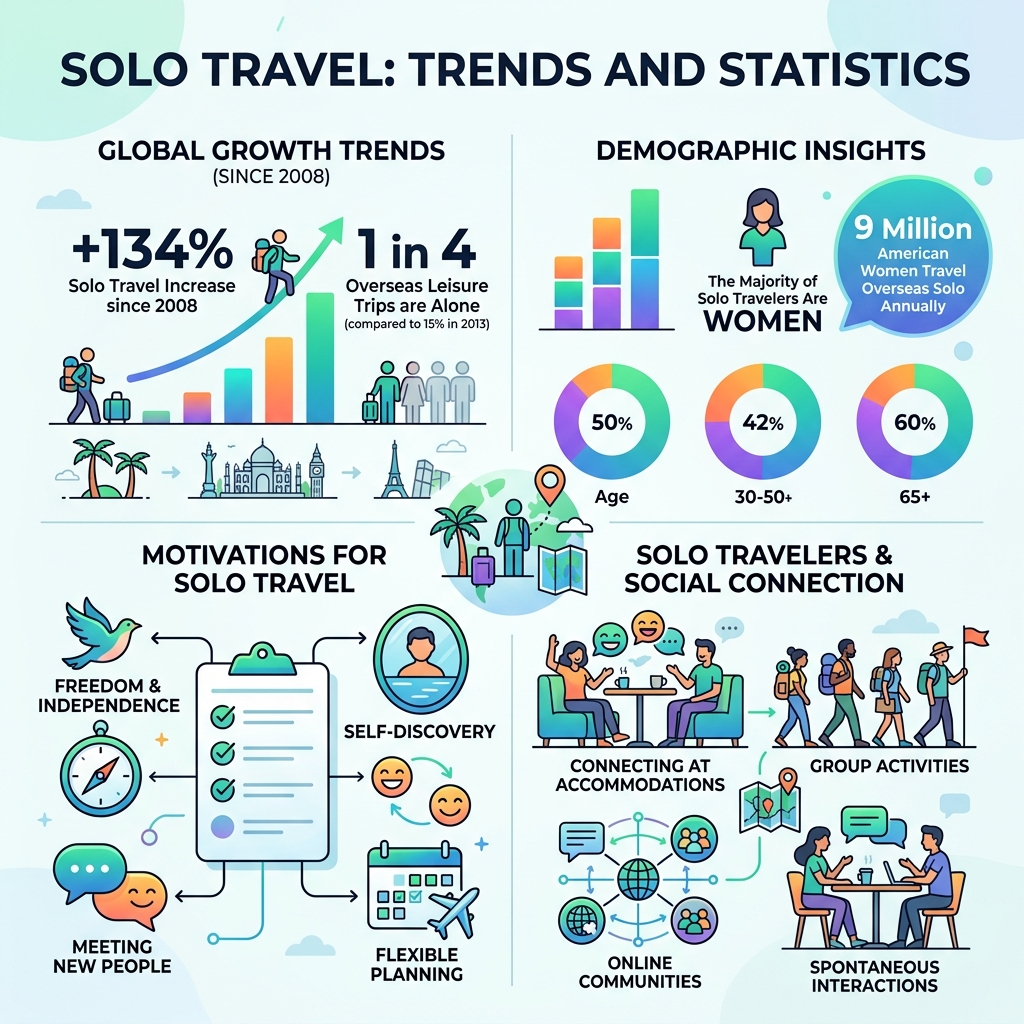
- Apps and platforms: Meetup.com, Nomadtable, LonelyRoad, Couchsurfing Hangouts, Bumble BFF
- Accommodations: Hostels with communal areas, B&Bs, boutique inns with shared breakfast tables
- Activities: Free walking tours, cooking classes, language exchanges, volunteering, group day tours
- Online communities: Solo Travel Forum (70,000+ members), Facebook travel groups
- Everyday settings: Communal restaurant tables, coffee shops, public transport, park benches
Solo travel has grown by 134% since 2008. Today, roughly 1 in 4 people travel alone on overseas leisure trips — up from just 15% in 2013. And the majority? Women. Nine million American women travel overseas solo every year.
Yet the biggest fear most solo travelers share isn’t safety or planning. It’s loneliness.
Here’s the thing: solo travel is actually one of the easiest ways to meet people. When you’re not focused on keeping a group together, you’re free to talk to anyone, go anywhere, and say yes to anything. One conversation at a crowded coffee shop, a shared lunch after a walking tour, a chance meeting on an overnight bus — these are the moments that turn a solo trip into something unforgettable.
This guide covers the best platforms, places, and strategies to help you connect with like-minded travelers — safely and naturally.
How to Meet Other Solo Travelers Safely and Naturally
When we think about solo travel, we often picture a lone figure standing on a mountain peak. While those moments of solitude are precious, the reality of modern solo travel is deeply social. Scientific research on solo travel demographics shows that more travelers are seeking community alongside independence. The secret to success isn’t about being the loudest person in the room; it’s about positioning yourself in environments where interaction happens organically.
Choosing the right base of operations is the first step. If you lock yourself in a sterile hotel room, you’re essentially building a wall between yourself and the rest of the traveling community. Instead, we recommend looking for “social accommodations”—places designed with communal flow in mind. This is especially helpful when visiting beginner-friendly solo travel cities where the tourism infrastructure is already set up to welcome independent explorers.
Why Hostels are the Best Way to Meet Other Solo Travelers
Let’s dispel the myth: hostels aren’t just for twenty-somethings on a shoestring budget anymore. The rise of “poshtels” and boutique hostels means you can have a stylish private room while still enjoying the social perks of a communal kitchen and lounge.
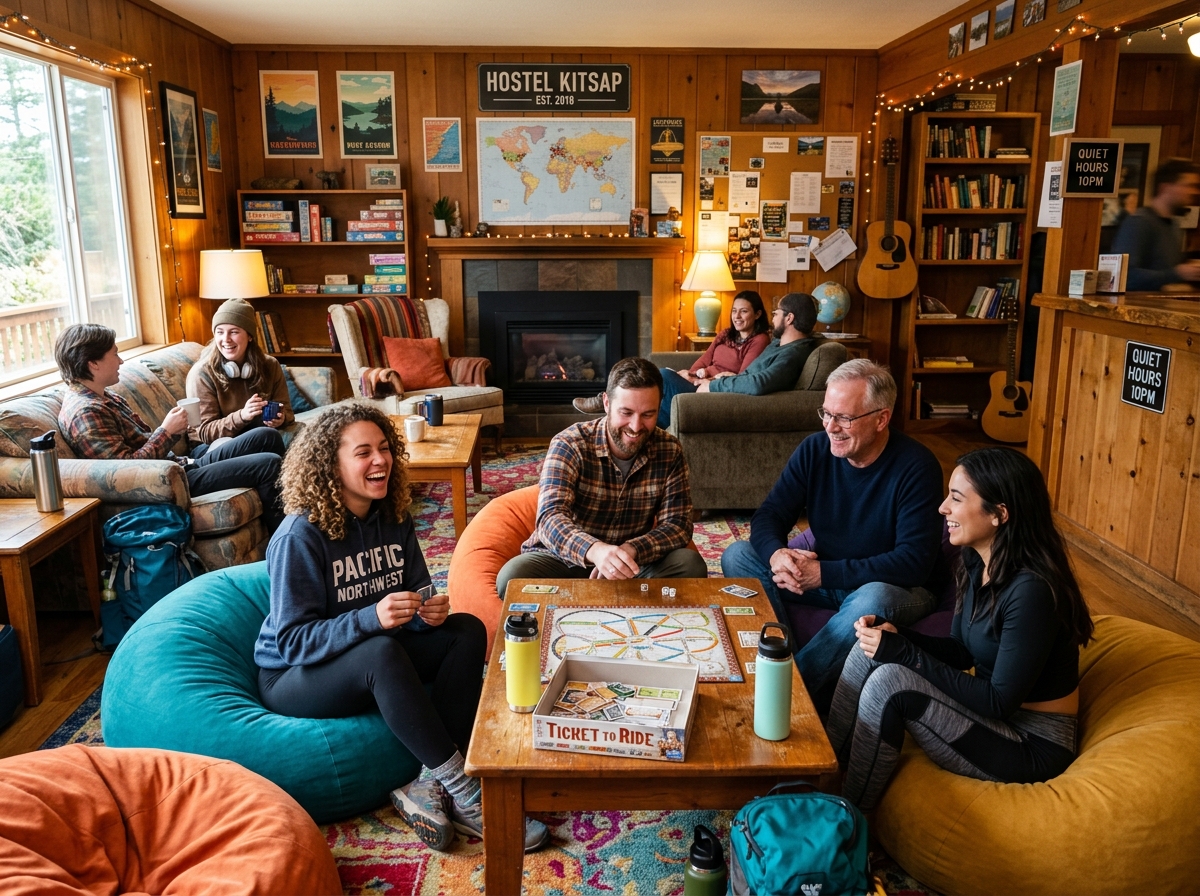
Hostels are the undisputed champions for anyone looking to meet other solo travelers. Why? Because they are built for it. Most hostels host organized events like:
- Walking tours: Usually departing right from the lobby.
- Communal dinners: Where a giant pot of pasta becomes the ultimate icebreaker.
- Hostel bars: Often the heart of the social scene, offering pub crawls that help you navigate local nightlife safely.
- Social lounges: Designed with bean bags and board games that practically beg you to start a conversation.
If you’re worried about privacy, many hostels now offer “capsule” style dorms or female-only dorms, ensuring you get the social benefits without sacrificing comfort.
Choosing Social Resorts and B&Bs
If hostels aren’t your vibe, don’t worry. You can still find social connection in more upscale settings. Small Bed & Breakfasts (B&Bs) and boutique inns are fantastic because they often feature a single, large breakfast table. There’s something about sharing coffee and croissants that makes it incredibly easy to ask a neighbor, “So, what are your plans for the day?”
We also see a rise in activity-based resorts. Whether it’s a surf camp in Portugal or a yoga retreat in Bali, these places attract people with shared interests. When you’re struggling to catch a wave or perfecting a pose together, the “awkward small talk” disappears because you already have a common goal. For more on selecting the right environment, check out our guide on planning a solo adventure.
Top Digital Platforms for Finding Travel Buddies
Your phone is the most powerful tool in your backpack for making connections. There are now dozens of platforms specifically designed to help you meet other solo travelers before you even leave your house.
| Platform | Best For | Key Feature |
|---|---|---|
| Meetup.com | Local events and hobby groups | Interest-based gatherings (hiking, photography) |
| Couchsurfing | Meeting locals and travelers | “Hangouts” feature for real-time meetups |
| Bumble BFF | One-on-one friendships | Profile swiping based on platonic interests |
| Nomadtable | Foodies and diners | Matching travelers for shared meals |
| LonelyRoad | Safety-conscious travelers | AI “Vibe Matching” and verified profiles |
Using Social Apps to Meet Other Solo Travelers
Apps like Nomadtable and LonelyRoad are changing the game by using technology to bridge the gap between “stranger” and “friend.” Nomadtable focuses on the “lonely dinner” problem by matching travelers who want to share a meal. Meanwhile, LonelyRoad uses AI to suggest “Vibe Matches”—connecting you with people who have similar travel styles, whether you’re a museum enthusiast or a mountain trekker.
One of the best features of these modern apps is real-time location tracking. You can see who is nearby right now and join a group chat for a sunset drink or a museum visit. This removes the pressure of long-term commitment; you can meet for an hour, and if the vibe isn’t right, you simply move on. For those starting out, these apps are a great addition to your first-time solo travel planning.
Online Communities and Forums
Before you even pack your bags, you can start building a network. The Solo Travel Forum is a massive community with over 70,000 members where people exchange tips and find travel buddies. Many travelers prefer this over Facebook groups because it’s better structured and less prone to spam.
Facebook groups like “Solo Female Travelers” are also goldmines for information. You can post your itinerary and ask, “Anyone in Rome next Tuesday?” Often, you’ll find five other people in the same boat. These platforms allow for a “trust assessment” where you can look at someone’s profile and history before deciding to meet up in person. It’s an essential part of the ultimate checklist for solo travelers.
Immersive Activities and Group Tours
Sometimes the best way to meet people is to stop trying to meet people and just start doing things. When you engage in an activity, the focus is on the task, which naturally lowers everyone’s social defenses.
Educational Classes and Workshops
Taking a class is a brilliant strategy for cultural immersion. Whether it’s a pasta-making class in Italy, a Muay Thai workshop in Thailand, or a photography tour in Japan, you are surrounded by people who share your curiosity.
These settings foster a “natural rapport.” You’re not just two strangers; you’re two students trying to figure out how to knead dough or adjust a shutter speed. This shared learning experience often leads to a post-class drink or meal. We find that these immersive experiences are the highlight of our solo-friendly city guides.
Day Tours and Night Events
If a week-long tour feels too restrictive, day tours are the perfect middle ground. Free walking tours are a staple of the solo travel diet. Pro tip: always tip your guide, but also keep an ear out for other solo travelers asking questions. They are usually just as eager to find a lunch partner as you are.
For the night owls, pub crawls, salsa nights, and boat parties offer a high-energy way to meet other solo travelers. If you’re more into adventure, joining a scuba diving group or a guided trek ensures you’re with a team. There’s nothing like the adrenaline of a dive or a steep climb to forge an instant bond with a stranger.
Organic Social Strategies in Everyday Settings
Not every connection requires an app or a booking. Some of the most profound friendships start in the most mundane places. The key is your “social signals”—the non-verbal cues you give off that say you are open to interaction.
Striking Up Conversations Safely
The easiest icebreaker in the world? Asking for a recommendation. “Excuse me, do you know if the coffee is better here or at the place around the corner?” or “That looks delicious, what is it?” are low-pressure ways to start a dialogue.
Another classic move is asking someone to take your photo. It’s a natural interaction that can easily lead to, “Are you traveling alone too?” Remember to keep your body language open. If you’re buried in your phone with noise-canceling headphones on, you’re sending a “do not disturb” signal. Put the phone away, look around, and smile. You’d be surprised how many people are just waiting for someone else to say “hello” first. For more subtle tips, see our insider tips for planning your first adventure.
Leveraging Transportation for Connections
Don’t view transit time as “dead time.” It’s actually a prime opportunity to meet other solo travelers.
- Trains: Especially in Europe or Asia, train journeys are long and involve facing seats or communal dining cars.
- Ride-sharing: Apps like UberPool or BlaBlaCar pair you with people headed in the same direction.
- Overnight buses: There’s a certain “we’re all in this together” bond that forms during a 12-hour bus ride across a border.
- Airport Lounges: A great place to meet fellow frequent flyers and digital nomads.
Frequently Asked Questions about Solo Travel Connections
Do I need to be an extrovert to meet people while traveling?
Absolutely not. Many of us identify as “extroverted introverts.” We love our alone time, but we also crave connection. The beauty of solo travel is that you can “turn on” your social side when you have the energy and retreat into your own world when you don’t. Using low-pressure settings like a cooking class or a walking tour allows you to be social without the need to “perform.”
How do solo female travelers stay safe when meeting new people?
Safety is a priority, but it shouldn’t be a barrier. We recommend:
- Meeting in public spaces: Never go to a private residence or a secluded area with someone you just met.
- Trusting your gut: If a “vibe” feels off, it probably is. You don’t owe anyone your time.
- Sharing your itinerary: Always let a friend or family member know where you are and who you are meeting.
- Using verified platforms: Apps like LonelyRoad that require profile verification add an extra layer of security.
How can I avoid single supplements when traveling alone?
The “single supplement” is a fee many hotels and tour operators charge solo travelers to make up for the lack of a second person in the room. You can avoid this by:
- Roommate matching: Many group tour companies will pair you with another solo traveler of the same gender.
- Solo-specific tours: Some companies now offer tours specifically for solo travelers with no extra fees.
- Hostels: As mentioned, dorms are the ultimate budget-saver.
Conclusion
At PrimeFinHub, we believe that the true magic of travel isn’t just the monuments you see, but the people you meet along the way. Whether you’re using a high-tech app to find a “vibe match” or simply sharing a table at a crowded Parisian café, every interaction is an opportunity for personal growth and cultural immersion.
Solo travel doesn’t mean being alone; it means having the freedom to choose your own company. By choosing social accommodations, engaging in immersive activities, and staying open to the world around you, you’ll find that the world is much friendlier than you imagined. Ready to take the leap? Check out your essential guide to solo safety to ensure your next journey is as secure as it is social.
