
Europe Is the World’s Top Solo Travel Destination — Here’s Where to Start
The best solo travel Europe destinations are cities that are safe, walkable, affordable, and easy to explore without a group. Based on extensive traveler experience and safety data, here are the top picks:
- Seville, Spain – Affordable, walkable, incredible food and culture
- Reykjavik, Iceland – Near-zero crime rate, stunning nature
- Edinburgh, Scotland – English-speaking, friendly locals, rich history
- Florence, Italy – Compact, art-filled, great for solo dining
- Amsterdam, Netherlands – Intuitive transit, English widely spoken
- Lisbon, Portugal – Budget-friendly, warm culture, digital nomad scene
- Prague, Czech Republic – Social hostel scene, affordable, beautiful
- Vienna, Austria – Safe, clean, perfect for introverts
- Budapest, Hungary – Great value, thermal baths, lively social scene
- Bergen, Norway – Premium safety, gateway to the fjords
There’s a moment many solo travelers describe the same way. You step off a train in a European city, bag on your back, nobody waiting for you — and instead of panic, you feel free.
Europe is the most popular continent for solo travel, and it’s easy to see why. Most cities are walkable. Public transport is reliable. English is widely spoken. And the sheer variety — medieval castles, sun-soaked plazas, thermal baths, canal-side cafes — means there’s a perfect destination for every travel style.
Whether you’re an introvert who wants to lose yourself in a Viennese coffee house, or an extrovert hunting for ruin bars and new friends in Budapest, Europe delivers. And unlike many other regions, it’s genuinely easy to navigate alone, even on your first trip.
This guide cuts through the noise. Below, you’ll find the top 10 cities ranked for safety, affordability, walkability, and solo-friendliness — plus practical tips on transport, accommodation, and how to meet people without feeling like you’re trying too hard.

Essential Criteria for the Best Solo Travel Europe Destinations
When we evaluate the best solo travel Europe has to offer, we don’t just look at pretty postcards. A great solo destination needs to pass the “friction test.” How hard is it to find your hotel? Can you walk home safely at 10:00 PM? Will a meal for one break the bank?
Safety and Ease of Navigation
Safety is the number one concern, especially for first-time solo female travelers. According to the Global Peace Index on European safety rankings, Europe remains the most peaceful region in the world. Iceland regularly tops this list, followed by countries like Austria and Portugal.
Walkability is the “secret sauce” of a stress-free trip. Cities like Florence or Seville are essentially open-air museums where your feet are your primary mode of transport. For larger hubs, we look for intuitive public transport. If you can master the Amsterdam tram or the London Tube in twenty minutes, the city is solo-friendly. You can learn more about navigating these logistics in our guide on how-to-see-europe-safely-without-a-plus-one.
Affordability vs. Experience
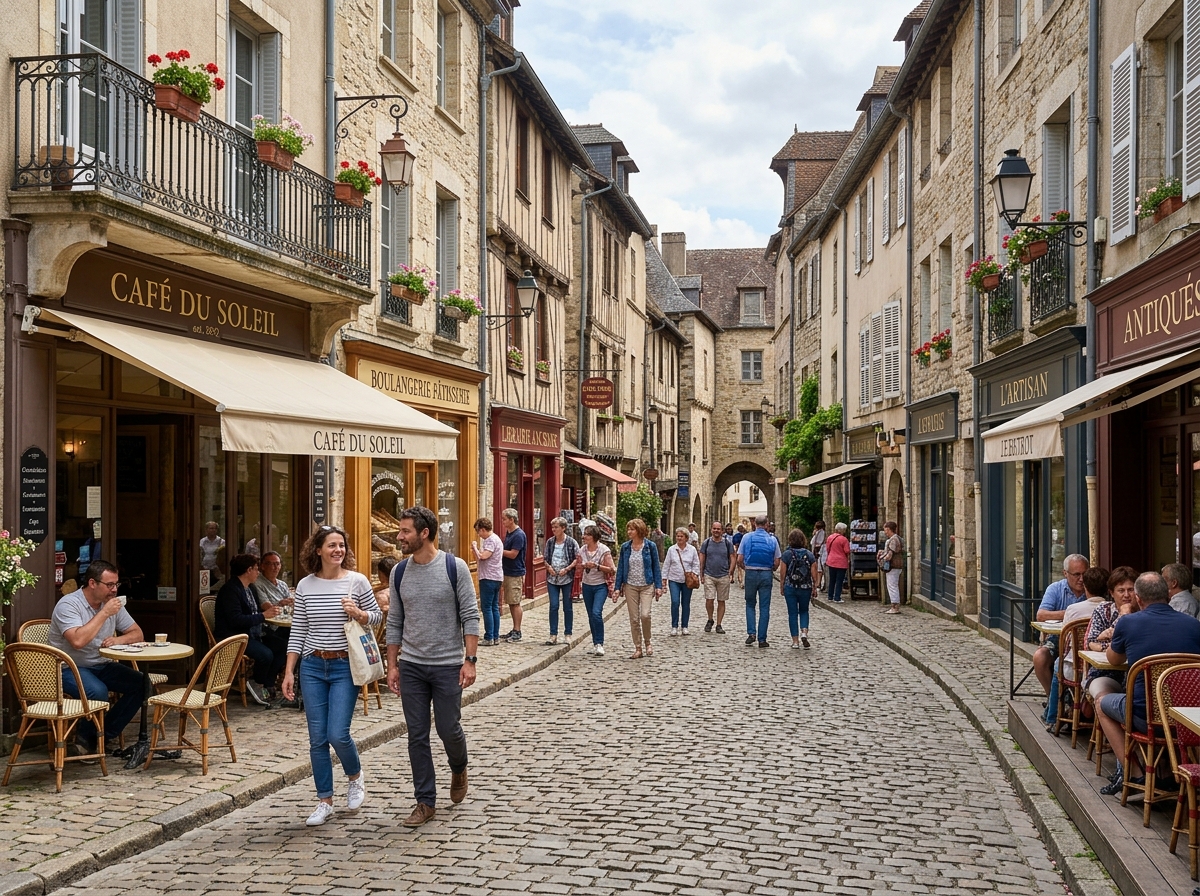
We also weigh the “solo tax.” Traveling alone means you aren’t splitting the cost of an Airbnb or a rental car. Therefore, cities with high-quality hostels, affordable boutique hotels, and a culture of “tapas” or “small plates” (where dining alone at a bar is the norm) score higher.
| City | Daily Budget (Mid-range) | Safety Score (1-5) | Best For |
|---|---|---|---|
| Seville | €80 – €120 | 4.5 | Culture & Value |
| Reykjavik | €180 – €250 | 5.0 | Absolute Safety |
| Budapest | €60 – €90 | 4.0 | Social Scene |
| Vienna | €120 – €160 | 5.0 | Introverts |
| Lisbon | €90 – €130 | 4.5 | Coastal Vibes |
Choosing Between Introvert and Extrovert Hubs
Not all solo travelers want the same thing. Some of us thrive on being social, while others crave “sophisticated solitude.”
- Extroverts: Look for cities with “ruin bars” (Budapest), a heavy student population (Prague or Ghent), or a communal dining culture (Madrid).
- Introverts: Look for “coffee house” cultures (Vienna), extensive park systems (Munich), or cities where “getting lost” is the main activity (Venice or Bruges).
Best Times to Visit to Avoid Crowds
Timing is everything. To find the best solo travel Europe experience, we recommend the shoulder seasons: April to May and September to October.
- The Pros: Pleasant weather, lower accommodation prices, and significantly shorter lines at major attractions like the Uffizi or the Louvre.
- The Cons: You might miss the peak summer heat (though in cities like Seville, where it hits 100°F/38°C, that’s a blessing) or the specific Christmas market window.
Top 10 Cities for Your Independent Adventure
From the fjords of the north to the orange-scented streets of the south, these ten cities represent the pinnacle of independent exploration.
Seville, Spain: The Best Solo Travel Europe Spot for Culture
Seville is, quite simply, a solo traveler’s dream. It is incredibly affordable — you can find an espresso for €1.40 and a full meal of tapas for €15. Because the culture revolves around small plates, sitting at a bar with a book and a glass of sangria is a local pastime, not an awkward solo endeavor. The city is flat and walkable, and the Santa Cruz neighborhood is a labyrinth of photo-worthy alleys.
Reykjavik, Iceland: The Safest Best Solo Travel Europe Choice
If you are nervous about your first solo trip, start here. Iceland’s crime rate is virtually non-existent. While it is expensive, the ease of booking day trips to the Golden Circle or the Blue Lagoon makes it a “low-logistics” win. The cafe culture in Reykjavik is vibrant, and it’s one of the few places where nature photography is a primary social activity.
Edinburgh, Scotland: History and Friendly Locals
Edinburgh feels like a village that happens to be a capital city. It’s the perfect mix of “Harry Potter” magic and rugged nature. You can hike Arthur’s Seat for a sunset view or disappear into a historic pub on the Royal Mile. The locals are famously friendly, and since it’s English-speaking, it removes the “language barrier anxiety” for many.
Florence, Italy: Art and Solo Dining Excellence
Florence is a “gentle hug” of a city. It is compact enough that you can walk from one end to the other in 30 minutes. For art lovers, the Uffizi and Accademia are best experienced solo so you can stare at a Michelangelo for as long as you want without a companion checking their watch. Note: Solo female travelers may receive some “unwanted attention” (catcalling), but a firm “No” and continued walking is generally effective.
Amsterdam, Netherlands: Intuitive Transit and Canals
Amsterdam is a city that never rushes you. It is arguably the easiest city to navigate thanks to its canal-ring structure and world-class cycling paths. English proficiency here is nearly 100%, making it a breeze to ask for directions or strike up a conversation in a “brown cafe.” It’s a top choice for those who want a mix of high-brow museums and a relaxed, safe nightlife.
Lisbon, Portugal: Budget-Friendly Coastal Charm
Lisbon is currently the darling of the digital nomad world. It offers some of the best value in Western Europe. The hills are steep, but the vintage trams are iconic and cheap. For the solo traveler, the LX Factory or the Time Out Market provide excellent communal spaces to eat and work among other independents.
Prague, Czech Republic: Social Vibe and Architecture
Prague is “fairytale” architecture at a “backpacker” price point. It has one of the most developed hostel scenes in the world, making it almost impossible not to make friends. The city is safe, the beer is cheaper than water in some places, and the Old Town Square is a perfect spot for people-watching.
Vienna, Austria: The Introvert’s Sanctuary
Vienna was designed for the sophisticated introvert. The city is clean, efficient, and breathtakingly beautiful. The “coffee house culture” means you can sit for three hours with one piece of Sachertorte and a newspaper, and no one will ask you to leave. It’s a city that rewards those who appreciate opera, imperial history, and quiet strolls through the Schönbrunn Palace gardens.
Budapest, Hungary: Thermal Baths and Ruin Bars
Budapest is a city of two halves (Buda and Pest) joined by stunning bridges. It offers incredible value. Solo travelers love the Széchenyi thermal baths — it’s a social experience where you can soak and chat with locals or travelers. At night, the ruin bars (bars built in abandoned buildings) offer a unique, low-pressure social environment.
Bergen, Norway: Gateway to the Fjords
For those who prefer mountains to museums, Bergen is the answer. While Norway is a premium-priced destination, the safety and scenery are unmatched. It’s the starting point for the “Norway in a Nutshell” tour, a seamless rail and boat journey through the fjords that is perfectly organized for solo travelers who want to see nature without renting a car.
Practical Logistics for Independent Exploration
Getting around is the part that stresses people out the most, but in Europe, the infrastructure is built for you.
Transport: Rail vs. Air
The Eurail Pass is a classic for a reason — it offers flexibility for those who want to change their plans on a whim. However, if you have a fixed itinerary, point-to-point tickets booked in advance are often cheaper. According to European Commission data on cross-border rail travel, the high-speed rail network is expanding, making trains often faster than flying when you factor in airport security. For longer distances (like Lisbon to Berlin), budget airlines like Ryanair or EasyJet are incredibly cheap, but watch out for hidden baggage fees!
Staying Connected
Don’t rely on finding free Wi-Fi. Get a regional eSIM (like Airalo or Holafly) before you land. Having a working map and the ability to call an Uber or check a train schedule is the single biggest safety “power-up” for a solo traveler.
Accommodation Strategies for Solo Travelers
- Social Hostels: Look for “boutique” hostels. They often offer female-only dorms or affordable private rooms but keep the communal kitchen and lounge areas where it’s easy to meet people.
- Boutique Hotels: If you’re over the hostel phase, look for hotels in the city center. Staying central means you won’t have to navigate dark, quiet suburbs late at night.
- Co-living Spaces: Popular in places like Lisbon and Barcelona, these are great for longer stays (2+ weeks) and attract other solo professionals.
How to Meet People and Combat Loneliness
Loneliness is a normal part of solo travel, but it’s easily solved:
- Free Walking Tours: Almost every European city has them. They are the best way to orient yourself and meet other travelers on day one.
- Cooking Classes: Whether it’s pasta making in Rome or a macaron class in Paris, shared activities break the ice quickly.
- Social Apps: Use “Bumble BFF” or “Meetup.com” to find local events or other travelers looking for a dinner buddy.
- Communal Dining: Look for restaurants with “community tables” (common in Munich beer halls) or bar seating.
Frequently Asked Questions about Solo Travel in Europe
What are the safest cities for solo female travelers?
Reykjavik, Copenhagen, Vienna, and Zurich consistently rank as the safest. However, most European tourist hubs are safe if you follow “home rules”: stay in well-lit areas, don’t leave your drink unattended, and keep your phone charged. Sharing your live location with a friend back home via WhatsApp or Find My Friends is a great way to add a layer of security.
How do I manage a budget while traveling alone?
The “solo tax” is real, but you can offset it.
- Eat Like a Local: Go to grocery stores (like Lidl or Monoprix) for lunch supplies.
- Free Museum Days: Many cities (like London or Dublin) have free national museums, or offer free entry on the first Sunday of the month (Paris).
- Transport Passes: Buy 24-hour or 72-hour transit passes rather than single tickets.
- Go East: Destinations like Poland, Hungary, and Romania offer a “Western European” experience at a fraction of the cost.
What are the most common mistakes for first-time solo travelers?
- Overpacking: You will likely be lifting your own bag onto trains and over cobblestones. Carry-on only is the gold standard.
- Over-scheduling: Give yourself “recovery days.” You don’t need to see three museums every single day.
- Ignoring Instincts: If a street feels wrong or a person feels “off,” leave. Your intuition is your best travel companion.
- Skipping Insurance: A simple foot injury can cost thousands without travel medical insurance. We recommend providers like SafetyWing or World Nomads.
Conclusion
At PrimeFinHub, we believe that solo travel is the ultimate form of self-investment. It forces you to solve problems, make your own choices, and discover who you are when no one is watching. Europe, with its blend of safety and deep-rooted history, provides the perfect stage for this transformation.
The best solo travel Europe offers isn’t just about the destinations — it’s about the confidence you bring home. Whether you’re sipping port in Porto or wandering the Highlands of Scotland, the world is waiting for you. Go meet it on your own terms.
