
Top Solo Flower Festivals Asia: The 2026 Bucket List
When we look for the best solo flower festivals Asia has to offer for 2026, we prioritize destinations that combine stunning aesthetics with high safety ratings and ease of navigation. Whether you are navigating the bustling streets of Northern Thailand or the high-tech gardens of Singapore, these events are designed for those who enjoy their own company.

Chiang Mai Flower Festival (Thailand)
Often called the “Rose of the North,” Chiang Mai transforms into a floral wonderland every February. For the 2026 season, mark your calendars for February 6–8. This festival is a dream for solo travelers because the atmosphere is incredibly laid-back and the locals are famously welcoming.
The heart of the action is at Nong Buak Hard Public Park, but the real highlight is the Saturday morning parade. Starting around 8:00 AM at the train station, dozens of massive floral floats—decked out in chrysanthemums and the famous Damask Rose—make their way across the Nawarat Bridge and along Thapae Road.
Solo Tips:
- Cost: Entry to the park and viewing the parade is completely free.
- Navigation: Stay within the Old City “moat” area; you can walk to almost everything.
- Pro Tip: Learn a few basic Thai phrases like “Sawatdee krap/ka” (Hello). We’ve found that a small effort in the local language goes a long way in opening doors to friendly conversations with residents.
Srinagar Tulip Festival (India)
If you want to see the largest tulip garden in Asia, you have to head to the Indira Gandhi Memorial Tulip Garden in Srinagar. Nestled in the foothills of the Zabarwan Mountains and overlooking the iconic Dal Lake, this garden features over 1.5 million bulbs and roughly 60 different varieties of tulips.
The festival typically runs for 15 days between March and April 2026, depending on when the weather decides to warm up. For a solo traveler, Srinagar offers a poetic, atmospheric experience. You can spend hours wandering the 74 acres of terraced rows without feeling rushed.
Solo Tips:
- Photography: Visit during the “golden hour” (just before sunset) for the best light against the mountain backdrop.
- Stay: Look for a reputable houseboat on Dal Lake for a unique, solo-friendly accommodation experience.
- Transport: Auto-rickshaws are plentiful and affordable for getting to the gardens from the lakefront.
Singapore Garden Festival & Sakura Display
Singapore takes “City in a Garden” literally. The Singapore Garden Festival is a biennial powerhouse that brings together award-winning designers from around the globe. While the main garden festival is a massive draw, solo travelers in 2026 should specifically look for the Sakura Display at Gardens by the Bay, scheduled from March 13 to April 15, 2026.
This 11th edition of the Sakura display is a collaboration with the Embassy of Japan, often featuring not just cherry blossoms but also peach and plum blossoms, alongside Japanese cultural performances.
Solo Tips:
- Accessibility: Singapore is arguably the easiest city in Asia to navigate alone. The MRT (train) takes you directly to the Gardens by the Bay station.
- Navigation: Use the Gardens by the Bay app to check bloom status and event schedules.
- More Info: For those looking to dive deeper into independent exploration, check out More info about cultural travel to help plan your next stop.
Hidden Gems and UNESCO Sites for Independent Explorers
For the solo traveler who prefers hiking boots over city streets, Asia offers several UNESCO World Heritage sites that double as seasonal floral spectacles. These locations require a bit more planning but offer a level of peace and biodiversity that city festivals can’t match.
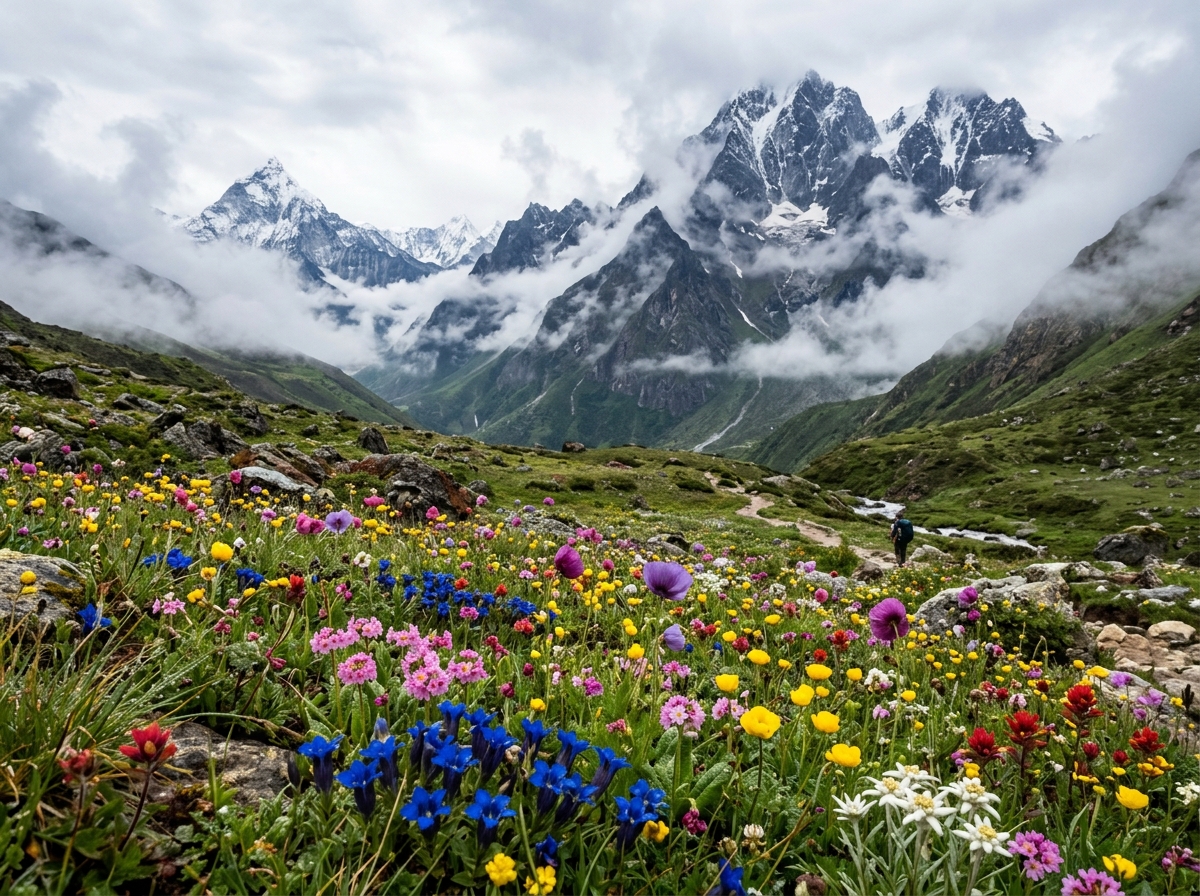
Valley of Flowers National Park (India)
Located in the high-altitude Himalayan region of Uttarakhand, this is a “bucket list” trek for any floral enthusiast. The park is home to over 300 varieties of alpine flowers, including the rare blue poppy. The best time to visit is from July to September, immediately following the monsoon rains when the valley is at its lushest.
Solo Logistics:
- The Trek: You’ll need to trek from Govindghat. It’s a well-trodden path, making it safe for solo hikers to find companions along the way.
- Permits: You must obtain an entry permit from the Forest Department at Ghangaria.
- Stay: Ghangaria serves as the base camp with various budget-friendly guesthouses suitable for solo trekkers.
Kaas Plateau (India)
Known as Maharashtra’s “Valley of Flowers,” the Kaas Plateau is a volcanic plateau that turns into a carpet of wildflowers in late August and September. This UNESCO site hosts around 850 species of wildflowers across 2,400 acres.
Because the ecosystem is fragile, the government limits daily entries. We recommend booking your slot online well in advance. It’s an affordable, budget-friendly trip from Pune or Satara, making it perfect for independent explorers on a budget.
Ba Na Hills Flower Festival (Vietnam)
Located near Da Nang, Ba Na Hills is often called the “Disneyland of Vietnam,” but its annual flower festival (running from January to May 2026) is a serious horticultural feat. We’re talking about 360,000 tulips imported from the Netherlands, thousands of sunflowers, and nearly a thousand rose trees.
Solo Highlights:
- The Ride: You reach the festival via a world-record-breaking cable car system with incredible views.
- Photo Ops: The famous Golden Bridge (held by giant stone hands) is located here.
- Layout: The flowers are spread across themed areas like the Le Jardin d’Amour Gardens and the French Village, making it easy to explore at your own pace.
Japan’s Seasonal Solo Flower Festivals Asia
Japan is the gold standard for solo flower festivals Asia. With a rail system that connects almost every corner of the country and a culture that respects solo diners and travelers, it’s an effortless destination.
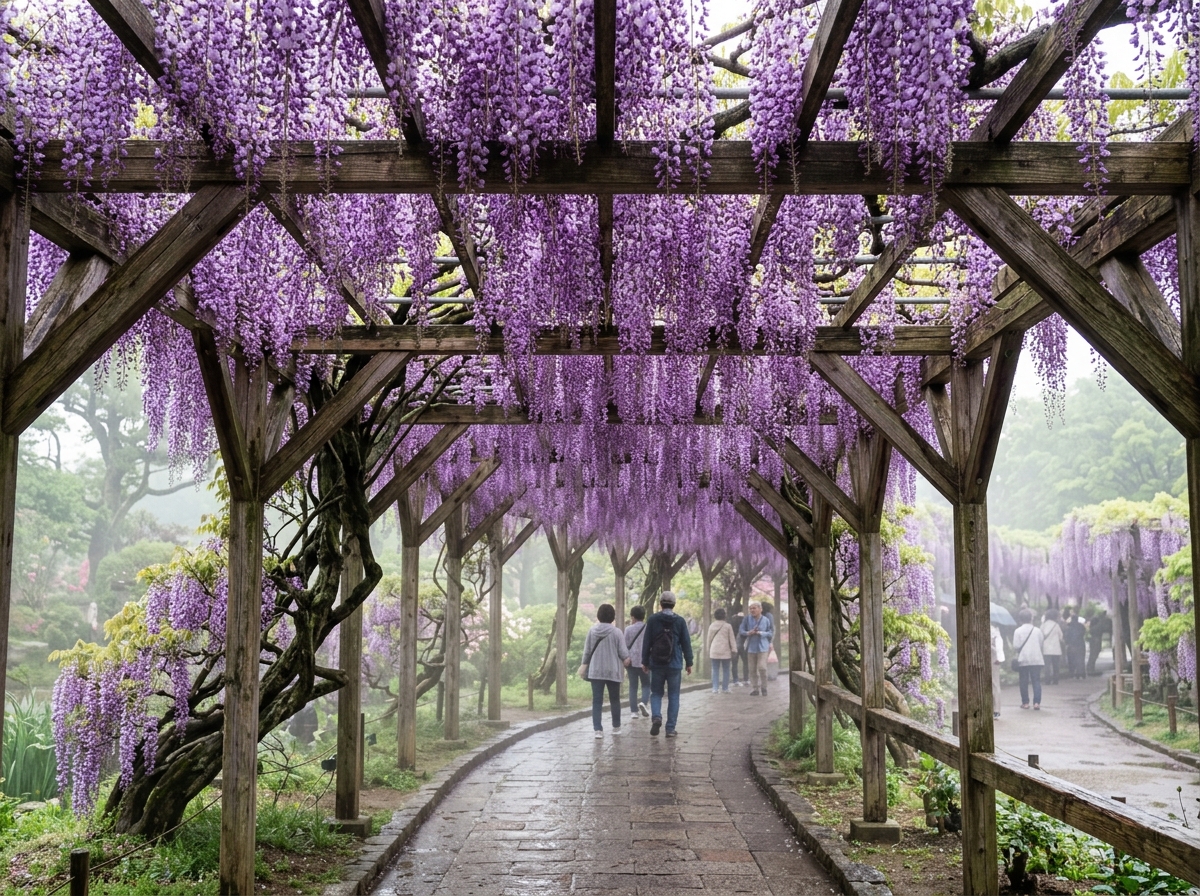
Ashikaga Flower Park (Tochigi)
While famous for its Great Wisteria, the ROSE GARDEN 2025 | Ashikaga Flower Park is a must-see for those visiting in late spring. The park features dynamic pricing—the entry fee changes daily based on the “peakness” of the bloom, ensuring you only pay top price when the view is at its absolute best.
Solo Logistics:
- Transport: Take the JR Ryomo Line to the dedicated “Ashikaga Flower Park” station. It’s a short walk from there.
- Solo Perk: On weekends, shuttle buses run from the Tobu Isesaki Line, making it easy to visit without a car.
- Evening: Don’t miss the “Light-up” events where the flowers are illuminated after dark—it’s a safe and magical experience for solo night owls.
Hokuryu Sunflower Festival (Hokkaido)
If you find yourself in Hokkaido during late July or August, head to Hokuryu. This village boasts 2 million sunflowers across 23 hectares. Admission is free, though there are small fees for the sunflower mazes.
Solo Exploration:
- Bikes: You can rent a bicycle on-site to pedal through the massive fields.
- Food: Try the sunflower-themed soft-serve ice cream—a quirky solo treat!
- Access: Take a train to JR Fukagawa Station, then a local bus to the “Himawari-no-Sato” (Sunflower Village).
Itoshima Ukitake Azalea Festival (Kyushu)
For a more intimate experience, the Itoshima Ukitake Azalea Festival in Kyushu is a hidden gem. This private garden features over 5,000 azaleas, including a legendary 400-year-old Honkirishima tree. The crimson blooms are so dense they look like clouds of fire.
Solo Tips:
- Access: It’s about 8 minutes by car or taxi from JR Fukuyoshi Station.
- Vibe: This is a quiet, contemplative spot—ideal for those looking to escape the crowds of the larger festivals.
Spring Hill Lupine Festival (Tochigi)
The Spring Hill Lupine Festival is held at the Kanuma City Kaboku Center from April 19 to May 5, 2026. Lupines are often called “rising wisteria” because of their upright, colorful spikes.
Why it’s great for solos:
- Interactive Art: The festival integrates “Future Art” with robots and AR (Augmented Reality) experiences.
- Workshops: You can join solo-friendly workshops to make moss terrariums or lupine petal earrings.
- SNS Contest: They run a photo contest on Instagram and X, providing a great way for solo travelers to engage with the community online.
Planning Your Trip to Solo Flower Festivals Asia
Traveling alone to see blooms requires a mix of logistical savvy and cultural respect. Here is how we recommend planning your 2026 floral pilgrimage.
Navigating Transport and Crowds
The biggest challenge for solo flower festivals Asia is managing the crowds. Because many of these events are world-famous, they can get packed.
- The “Golden Rule”: Arrive at the gates 15–20 minutes before they open. You’ll get at least one hour of “clean” photos before the tour buses arrive.
- Mid-Week Magic: If possible, schedule your festival visits for Tuesday, Wednesday, or Thursday.
- Tech Tools: In Japan, keep your IC card (Suica/Pasmo) topped up. In Southeast Asia, use the Grab app for fixed-price rides, which eliminates the need to haggle as a solo traveler.
Solo Traveler Safety and Etiquette
Asia is generally very safe for solo travelers, but flower festivals have their own specific set of “unwritten rules.”
- Don’t Touch the Blooms: It sounds obvious, but many festivals (especially in Japan and India) have strict “no-touch” policies to protect the delicate petals.
- Photography Consent: While it’s tempting to snap photos of locals in traditional dress (like at the Chiang Mai parade), always ask for permission first with a simple nod or “Excuse me?”
- Respect the Paths: In UNESCO sites like the Valley of Flowers, staying on the marked path isn’t just a suggestion—it’s a legal requirement to protect rare species.
- Cultural Participation: If you see a community event like “mochi pounding” in Japan, don’t be afraid to join in! These festivals are built on community spirit, and even as a solo visitor, you are part of that celebration.
Frequently Asked Questions about Asian Flower Festivals
What is the best time to visit flower festivals in Asia?
Spring (February to May) is the peak season for most of Asia, including Thailand’s roses, Japan’s wisteria/sakura, and India’s tulips. However, late summer (July to September) is the only time to see the alpine blooms in the Himalayas or the sunflower fields in Hokkaido.
Are these festivals safe for solo female travelers?
Absolutely. Countries like Japan, Singapore, and Thailand are among the safest in the world for women traveling alone. In India, festivals like the Srinagar Tulip Festival are well-patrolled and popular with families, making them very safe during daylight hours. We always recommend staying in well-reviewed guesthouses and using official transport apps.
How much do entry tickets typically cost for these events?
It varies wildly!
- Free: Chiang Mai Flower Festival, Hokuryu Sunflower Festival, Odori Shibazakura Festival (donation requested).
- Budget ($5–$15 USD): Srinagar Tulip Festival, Spring Hill Lupine Festival, Ashikaga Flower Park (off-peak).
- Premium ($30–$50 USD): Ba Na Hills (includes cable car), Singapore Garden Festival (full access).
Conclusion
At PrimeFinHub, we believe that travel is most transformative when you have the freedom to follow your own nose—literally. Whether it’s the scent of a million tulips in Srinagar or the sight of a 400-year-old azalea in Kyushu, solo flower festivals Asia offer a unique blend of natural beauty and cultural depth.
By traveling independently, you aren’t just a spectator; you’re an explorer. You can linger at a single wisteria tree for an hour or skip the crowds to find a quiet street food stall in Chiang Mai. Our mission is to help you find those immersive cultural spots that make solo travel feel less like “traveling alone” and more like “discovering the world on your own terms.”
Ready to start planning your 2026 floral itinerary? Keep exploring our guides for more independent travel inspiration at https://www.primefinhub.com/.
