
The Art of Wrapping: Why Authentic Furoshiki Wrapping Workshops Are Worth Your Time
Authentic furoshiki wrapping workshops are one of the most rewarding hands-on cultural experiences you can book in Japan — or even online from anywhere in the world.
Here’s a quick look at your best options:
| Workshop Type | Location | Price | Duration |
|---|---|---|---|
| Furoshiki Wrapping Course (12 ways) | Kyoto (Marumasu Nishimuraya) | ¥4,000 | 1–1.5 hrs |
| Makiage-shibori Dyeing + Furoshiki | Kyoto | ¥7,700 | 1.5 hrs |
| Private Furoshiki Experience | Tokyo | From ¥11,500 (group base) | 60 min |
| Traditional Cloth Wrapping | Tokyo | From $85/person | ~60 min |
| Online Furoshiki Class + DIY Kit | Virtual (global) | $72/person | Flexible |
| Fabric Wrapping Workshop | Singapore | SGD 179 | 60 min |
Furoshiki is a Japanese cloth-wrapping tradition that dates back over 1,200 years — all the way to the Nara period. What started as a practical way to bundle and carry goods has evolved into a celebrated art form tied to gift-giving, sustainability, and cultural identity.
The appeal today is simple. Furoshiki is beautiful, reusable, and endlessly versatile. A single square of fabric can wrap a wine bottle, carry groceries, or become an elegant gift presentation — no tape, no paper, no waste.
For solo travelers, these workshops offer something even more valuable: a genuine connection to Japanese culture in a small, welcoming setting.
Top Authentic Furoshiki Wrapping Workshops in Kyoto
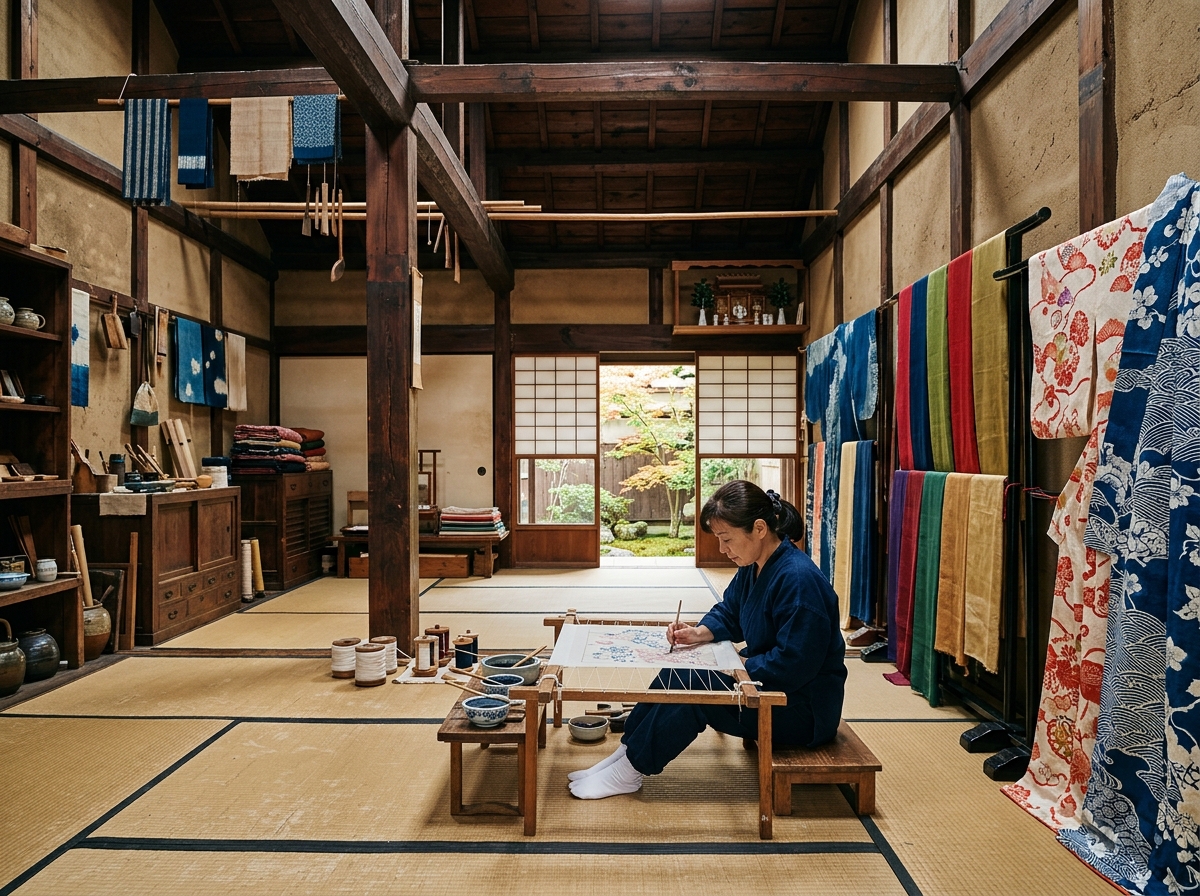
Kyoto is the spiritual heart of Japanese craft, and it is widely considered the birthplace of many furoshiki traditions. When we visit Kyoto, we aren’t just looking for a quick lesson; we’re looking for immersion. Many workshops here are held in a traditional Kyomachiya, which is a classic wooden townhouse that instantly transports you back a few centuries.
In Kyoto, the experience often goes beyond just tying knots. You can find workshops that incorporate Kyo-Yuzen dyeing, a 350-year-old technique originally used for high-end kimonos. Alternatively, some studios offer the Makiage-shibori technique, where you create patterns by tying areas of the cloth with string before dyeing it under pressure.
Typical Kyoto workshops last between 60 to 90 minutes. Prices are quite accessible, ranging from about ¥4,000 for a straightforward wrapping class to ¥7,700 for more intensive dyeing experiences. Most of these sessions provide 100% linen or high-quality cotton materials, and the best part? You usually get to keep the cloth you worked on as a souvenir.
Why Choose Authentic Furoshiki Wrapping Workshops for Solo Travelers?
For those of us exploring the world independently, these workshops are a goldmine for social yet focused interaction. We love them because they typically feature small group sizes, ensuring you get plenty of one-on-one time with the instructor.
Most reputable studios in major tourist hubs provide English-speaking instructors who are passionate about sharing the “heart” of the gift—the idea that the wrapping is just as important as the item inside. It’s a hands-on craft that doesn’t require a high fitness level or a massive time commitment, making it the perfect afternoon break during a busy solo itinerary.
Combining Dyeing and Draping in Kyoto
If you want the “full” experience, we highly recommend a combined workshop. For instance, at some Kyoto locations, you can choose from over 20 color options and 3,000 different stencils to decorate your own cloth using Kyo-Yuzen methods.
Once your design is applied, you learn how to “drape” or wrap that very same cloth. If you’re doing a shibori (tie-dye) version, you’ll see how the pressure of the ties creates unique white patterns. Just a heads-up: if you dye your own cloth, you’ll usually need to iron it at home (low to medium heat for about 30 seconds) to fully set the dye. It’s a bit of “homework” that ensures your souvenir lasts a lifetime!
Best Authentic Furoshiki Wrapping Workshops in Tokyo and Beyond
While Kyoto is about history, Tokyo is where tradition meets modern lifestyle. Authentic furoshiki wrapping workshops in Tokyo often emphasize how this ancient craft fits into a modern, eco-friendly lifestyle. You might find yourself practicing knots in a high-rise building with views of the Tokyo Tower, or in a dedicated cultural experience room in the heart of the city.
Tokyo workshops are frequently led by nationally licensed or accredited instructors. This ensures that the techniques you are learning are technically correct and culturally respectful. Beyond Japan, the art is spreading fast. We’ve seen premium workshops popping up in Singapore and London, proving that the desire for sustainable, beautiful gifting is a global movement.
What to Expect at Authentic Furoshiki Wrapping Workshops in Tokyo
In Tokyo, private programs are very popular. These 60-minute sessions allow you to move at your own pace. While individual prices can start around $85, many places charge a base group fee (often around ¥11,500) plus a per-person rate.
Accessibility is a major plus in Tokyo. Many of the top-rated venues are wheelchair and stroller friendly, located near major subway stations. You can expect to learn the history of the craft followed by a deep dive into “Tsutsumi” (wrapping) techniques for books, bottles, and even flower bouquets.
Virtual and Global Fabric Wrapping Options
Can’t make it to Japan this year? No problem. The rise of virtual workshops has been a game-changer. These online live-streaming sessions often include a DIY craft kit shipped directly to your door. For around $72, you get the square fabrics, instructions, and sometimes even Japanese snacks to enjoy during the class.
These are fantastic for corporate team-building or remote groups of 12 to 100 people. It’s a “hybrid” friendly experience where everyone joins via Zoom, watches a master at work, and practices their knots in real-time. With 4.9-star ratings across the board, these virtual options are surprisingly effective at teaching the tactile nature of the craft.
Mastering the Art: Techniques Taught in Workshops
When you step into one of these workshops, you’ll quickly realize that a square of cloth is more than it looks. Instructors will guide you through specific styles, each with its own name and purpose:
- Otsukai Tsutsumi (Basic Wrap): The most common style for flat boxes.
- Yotsu Musubi (4-Way Wrap): A sturdy wrap perfect for heavier items.
- Bin Tsutsumi (Bottle Wrap): This is a crowd favorite. It turns a simple bottle of wine or sake into a work of art, complete with a carry handle.
- Rose Bud or Petal Wrap: More decorative styles that create flower-like knots on top of a gift.
- Grocery Bag Style: A clever way to tie two corners to create a functional, reusable shopping bag.
Beyond the knots, you’ll learn about Japanese etiquette. For example, the way you hand over a furoshiki-wrapped gift is just as important as the wrap itself. It’s about showing respect and thoughtfulness to the recipient.
Planning Your Experience: Costs, Accessibility, and Booking
Planning is key to getting the most out of your workshop. Here is a breakdown of what to expect:
| Feature | Kyoto Workshops | Tokyo Workshops | Online Classes |
|---|---|---|---|
| Typical Cost | ¥4,000 – ¥7,700 | $85 – $150 | $70 – $80 |
| Duration | 90 Minutes | 60 Minutes | 60-90 Minutes |
| Max Capacity | Up to 40 (varies) | 1 – 28 | 100+ |
| Language | English/Japanese | English/Multi-lingual | English |
Booking and Cancellations: Most workshops require at least 24 hours’ notice for a full refund. Some popular Kyoto spots allow same-day bookings, but only if you call them directly. If you are booking for a corporate event, many instructors can adapt the session to focus on luxury gifting or sustainability metrics.
Accessibility: Always check the venue details. Many Tokyo locations are modern and fully accessible, while some older Kyomachiyas in Kyoto may have steep stairs or traditional tatami floors that require removing shoes.
Frequently Asked Questions about Furoshiki Workshops
Are these workshops suitable for absolute beginners?
Absolutely! Most authentic furoshiki wrapping workshops are rated as “easy” in terms of difficulty. The instructors start with basic knots (like the “Mami-musubi” or true knot) before moving on to complex shapes. We’ve seen everyone from small children (ages 6+) to corporate executives pick it up in minutes.
What kind of souvenirs do participants typically receive?
The most common souvenir is the furoshiki cloth itself. Depending on the workshop, this might be a basic cotton cloth, a premium 100% linen piece, or a cloth you dyed yourself. Some high-end experiences also include a printed handbook so you don’t forget the techniques when you get home.
How do online classes compare to in-person experiences?
While you miss out on the atmosphere of a traditional Japanese room, online classes are incredibly convenient. The DIY kits ensure you have the exact right size and weight of fabric, which is half the battle. Plus, you can re-watch recorded sessions if you get stuck on a tricky fold later on.
Conclusion
At PrimeFinHub, we believe that travel is at its best when it’s immersive and intentional. Authentic furoshiki wrapping workshops embody this philosophy perfectly. They offer solo travelers a way to slow down, learn a skill that benefits the planet, and take home a piece of Japanese culture that isn’t just a trinket, but a tool for a more sustainable lifestyle.
Whether you are wandering the historic streets of Kyoto or joining a Zoom call from your living room, the art of the wrap is waiting for you. It’s time to ditch the paper and wrap it like it’s hot!
More info about cultural travel destinations for solo travelers
